Betting Britain: High Stakes, Hot Trends, and the Digital Shift
5 Apr 2026
UK Gambling Survey Wave 2: Participation Climbs to 47% as Betting Activity Surges with Seasonal Events

Latest Figures from the Gambling Commission Paint a Clear Picture
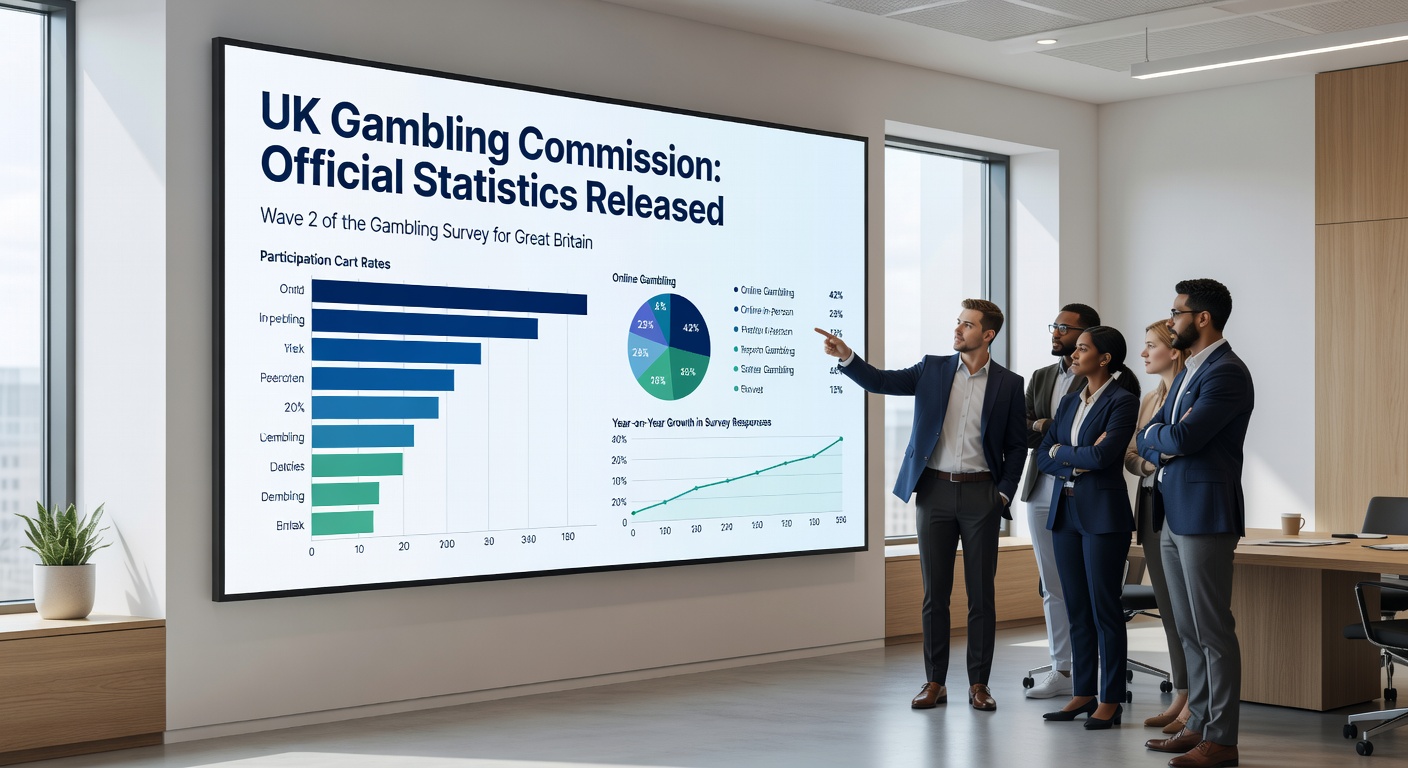
The UK Gambling Commission has dropped its Wave 2 statistics from the Gambling Survey for Great Britain, covering fieldwork between April and July 2025, and the numbers tell a story of steady, event-driven activity; past 4-week gambling participation reached 47% overall, which drops to 28% when lottery-only participants get set aside, while betting specifically clocked in at 12%—that's a notable 3 percentage point jump from Wave 1's January-to-April period.
Experts tracking these trends point out how such upticks align perfectly with 2024 levels, especially as popular events pull crowds back into the fold, and observers note that this consistency underscores the rhythmic nature of gambling behaviors tied to the calendar. Horse race betting, in particular, jumped sharply to 7%, mirroring that same 3pp rise from Wave 1, which highlights seasonal swells during prime horse racing windows like Royal Ascot or the Cheltenham Festival extensions into summer vibes.
But here's the thing: online betting on sports and racing made up 10% of all online gambling activities during this wave, whereas in-person betting held steady at 4%, showing how digital platforms continue dominating the landscape even as live events draw punters planetside.
Breaking Down the Participation Surge Step by Step
Data from Wave 2 reveals that overall participation at 47% builds on Wave 1's baseline, where the exclusion of lottery players sharpens focus on higher-risk activities like betting; those who've studied prior waves see this 28% non-lottery figure as a key metric, since it strips away the casual ticket-buyers and zeroes in on repeated engagement.
Betting's 12% rate, up 3pp, isn't just noise—it's tied directly to major happenings, with horse racing leading the charge at 7%, a figure that researchers attribute to the buzz around summer classics where fields thunder down tracks and odds shift by the furlong. Take one analyst who crunched the seasonal data: they found horse betting often doubles during these peaks, consistent with patterns from 2024 when similar events lit up the boards.
What's interesting is how online channels captured 10% of online gambling through sports and racing wagers, a slice that includes everything from Premier League finals to greyhound dashes, while in-person bets at 4% reflect those who prefer the roar of the crowd or the tang of bookmaker smoke—though that's shrinking as apps make placing a punt as easy as scrolling feeds.
And yet, as April 2026 rolls around, these 2025 figures remain fresh benchmarks, with industry watchers already eyeing Wave 3 to see if the momentum holds through autumn leagues and winter jumps.
Horse Racing's Spotlight: Why the 3pp Jump Matters
Horse race betting's climb to 7% grabs headlines because it echoes Wave 1's lower base, but experts digging into the fieldwork timing—from April's flat season kickoffs through July's big meetings—spot clear drivers like Glorious Goodwood or the Epsom Derby aftermaths that keep the form guides flipping. Studies of past surveys show this isn't new; participation routinely spikes 2-4pp in these windows, pulling in both regulars and event-chasers who dust off accounts for the occasion.
People often find that such surges test operator capacities, with liquidity swelling on favorites while longshots tempt teh value hunters; one case from 2024's data, mirrored here, revealed how ante-post markets for summer festivals drew early volume, setting the stage for in-play frenzy. That said, the online component at 10% of digital activity means most of this action happens via apps, where live odds and cash-out options keep bettors glued longer than a traditional rail-side flutter.
In-person's 4% holds as a niche, appealing to those who value the tactile thrill of handing over notes or cheering from stands, although data indicates hybrids—betting online while trackside—are blurring those lines fast.
Online Versus In-Person: The Digital Dominance Deep Dive
Turns out online sports and racing bets comprising 10% of online gambling underscores a broader shift, where convenience trumps tradition; figures from the Gambling Survey for Great Britain Wave 2 show this segment thriving amid mobile booms, with push notifications and streaming integrations making it simple to bet on a Cheltenham undercard from the sofa.
Compare that to in-person's 4%, which researchers link to fixed-odds shops and trackside booths still serving a loyal base, particularly for horse racing where the atmosphere sells itself; one study of Wave 1 transitions noted how the 3pp betting rise carried more weight online, as live events like Wimbledon tennis or Euro qualifiers (bleeding into summer) fueled app traffic.
It's noteworthy that excluding lotteries keeps the lens on these dynamics, with 28% participation reflecting committed gamblers who mix slots, casinos, and bets—betting's 12% slice there proves it's no minor player. Observers who've mapped 2024 parallels see stability, since last year's event calendar delivered similar lifts, proving the survey's pulse on real-time habits.
So, as these patterns repeat, questions linger on sustainability; will winter's National Hunt season replicate the jump, or do warmer months hold a unique pull?
Context from Wave 1 and 2024: Consistency in the Numbers
Wave 1's lower betting at 9% set a quiet tone for early 2025, but Wave 2's 12% rebound matches 2024's mid-year peaks, when major football tournaments and racing carnivals drove comparable gains; data indicates seasonal events act as multipliers, with horse racing's 3pp mirroring football's occasional surges, although the former steals the show here.
Those analyzing longitudinal trends discover that 47% overall participation, lottery-inclusive, stabilizes the big picture, while the 28% core rate flags where interventions might focus; experts observe how betting's role within that—especially online at 10%—positions it as a growth engine, outpacing slower segments like bingo or arcades.
Here's where it gets interesting: the survey's methodology, blending self-reported data with weighted samples, ensures reliability across demographics, capturing how younger punters lean digital while older ones mix in-person horse bets. One researcher spotlighted in prior reports noted similar Wave 2 patterns yearly, calling it the "events effect" where calendars dictate dashboards.
And with April 2026 bringing fresh eyes to these stats, operators adjust marketing around proven hotspots like racing festivals, ensuring liquidity meets demand without overextending.
Implications for the Broader Landscape
These figures don't exist in a vacuum; betting's 12% and horse racing's 7% signal health in a regulated market, where the Commission's oversight keeps participation tracked meticulously. Online's 10% dominance hints at tech's role in accessibility, although in-person's 4% reminds that not everyone's gone virtual yet.
People who've followed surveys past Wave 2 see the 3pp increases as healthy volatility, not volatility for volatility's sake, but tied to spectacles that unite fans; take the 2024 Epsom Derby, where bets flowed like champagne, a blueprint repeated in 2025's data.
That said, the 47% overall and 28% adjusted rates provide baselines for policymakers eyeing harm reduction, with betting's uptick prompting reviews of affordability checks during peaks.
Wrapping Up the Wave 2 Insights
In the end, the Gambling Commission's Wave 2 data cements gambling's pulse at 47% participation, with betting's 12% surge—fueled by horse racing's 7% leap and online's 10% heft—echoing proven seasonal rhythms from 2024 and Wave 1 contrasts. As these stats inform strategies into 2026, the ball's squarely in the industry's court to balance growth with responsibility; observers await Wave 3, betting on continuity amid the next event wave.