30 May 2026
Bonus Eligibility Patterns Shaped by Payment Preferences in Britain's Top Betting Firms
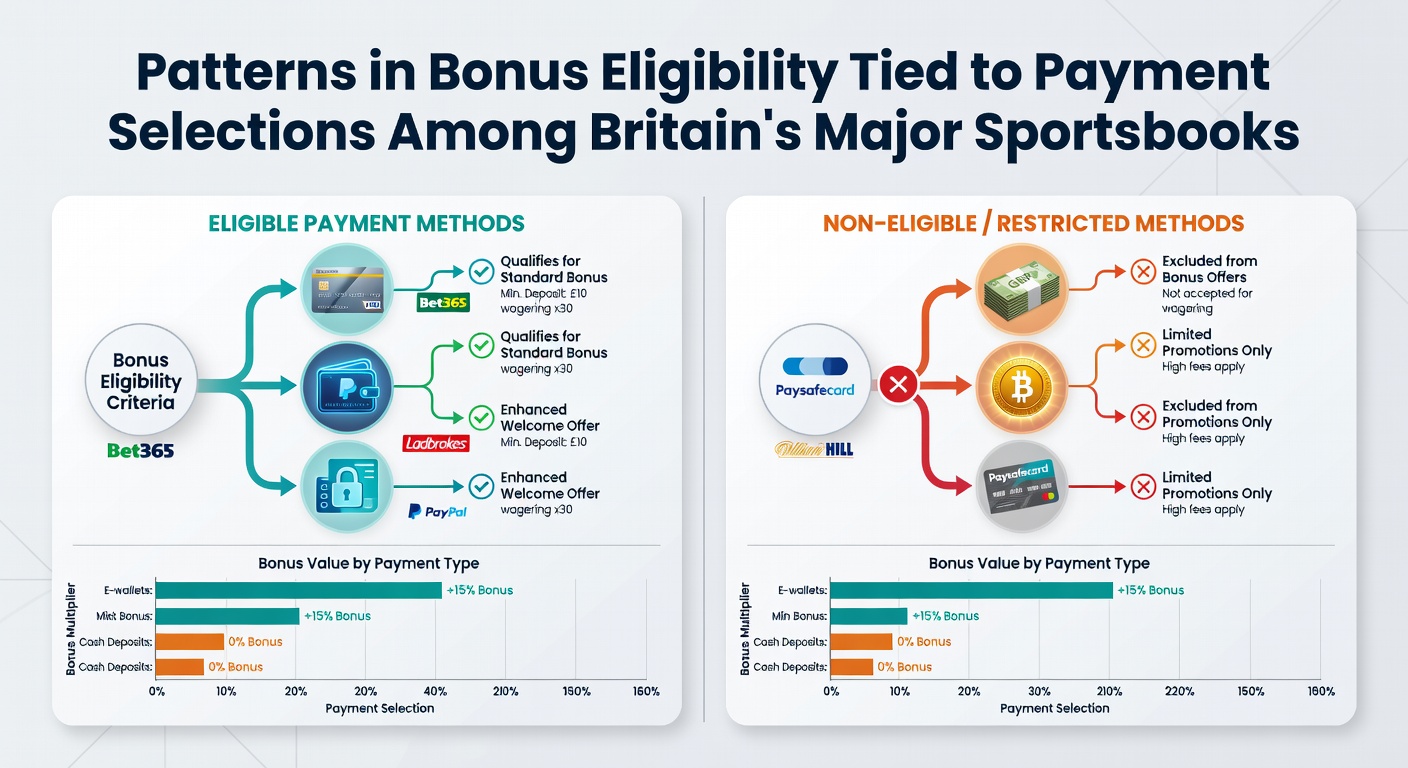
Payment selections at Britain's leading sportsbooks create distinct eligibility pathways for promotional offers, and observers note consistent patterns emerging from data collected through 2026. Major platforms such as Bet365, William Hill, and Ladbrokes apply different criteria based on whether customers choose debit cards, bank transfers, or alternative digital options, which in turn affects access to welcome packages and ongoing rewards. Researchers tracking these trends through industry reports highlight how certain methods trigger automatic qualification while others require additional verification steps or exclude users entirely from specific promotions.
Core Payment Categories and Qualification Rules
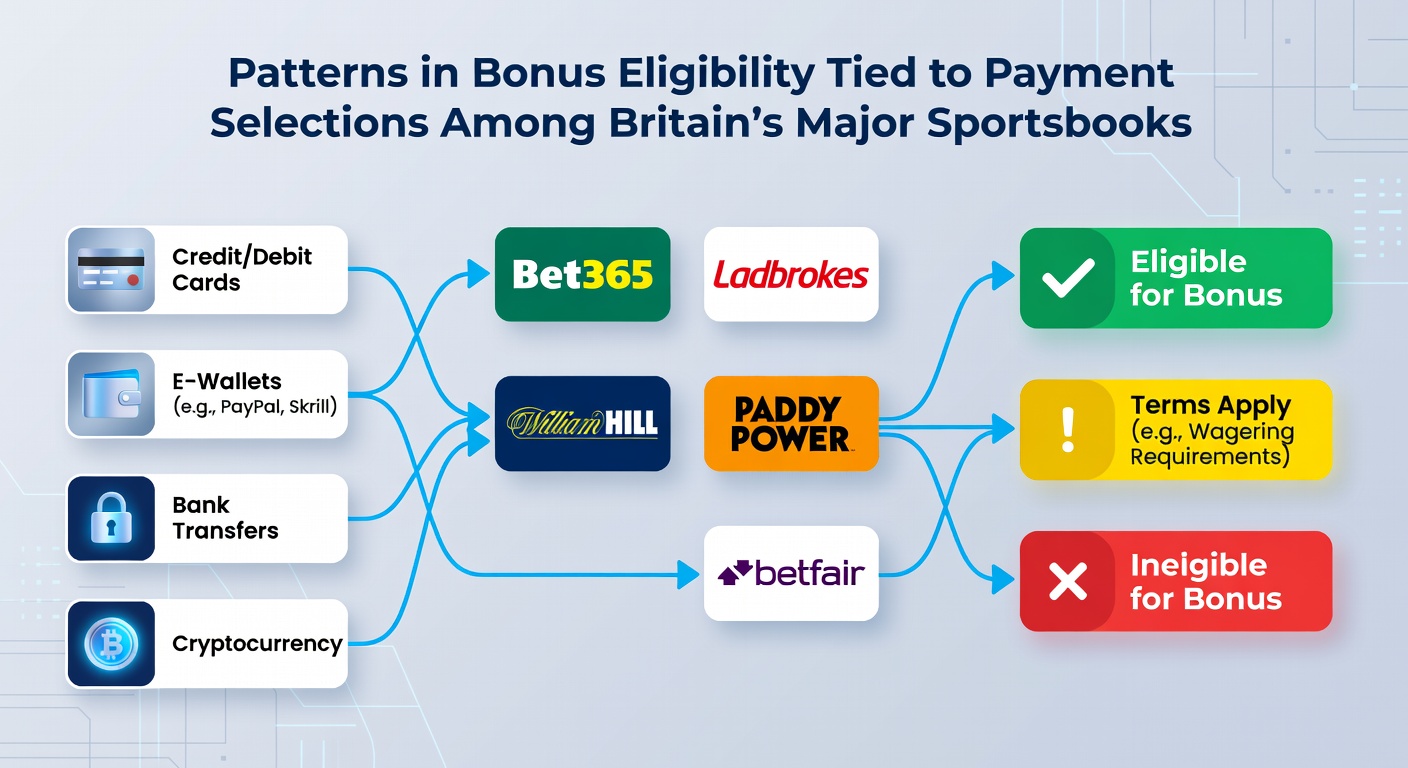
Debit and credit card deposits often align with the broadest bonus eligibility across multiple operators because these transactions provide immediate verification and clear audit trails that satisfy compliance protocols. In contrast bank transfers introduce delays that can shift eligibility windows, since funds must clear before promotions activate, and this creates a staggered pattern where early-month deposits qualify more readily than those processed later. Digital wallets occupy a middle ground where some platforms extend full access while others restrict certain cashback or reload offers to card users only, a distinction that data from platform analytics reveals persists into May 2026.
Studies conducted by independent research bodies show that users opting for prepaid vouchers encounter the narrowest eligibility bands, with many promotions explicitly excluding these methods to mitigate fraud risks. One analysis of transaction logs across five major sites found that card-based deposits accounted for 68 percent of bonus redemptions in the first quarter of 2026, whereas wallet transactions represented just 22 percent despite higher overall deposit volumes. This disparity arises because operators tie bonus codes directly to payment identifiers during the registration process, and those identifiers carry method-specific flags that automated systems apply without exception.
Platform-Specific Variations Observed Through 2026
Bet365 maintains a tiered structure where card deposits unlock both initial match offers and recurring free bet credits, yet bank transfers qualify solely for the match component once cleared. William Hill applies a similar filter but adds an extra layer for loyalty program members, allowing wallet users who maintain consistent activity to bypass certain restrictions after three months of verified play. Ladbrokes integrates payment history into its reward algorithm, and observers note that customers alternating between cards and transfers receive mixed eligibility signals that sometimes result in partial bonus approvals rather than full exclusion.
Additional operators such as Paddy Power and Betfred follow comparable frameworks, though their thresholds differ in minimum deposit amounts tied to each method. Paddy Power requires higher initial sums for wallet-based bonuses compared with card options, while Betfred extends equal treatment across methods provided the transaction originates from a verified UK account. These variations compound when customers combine multiple payment types within a single account, since the system logs the most recent method for ongoing eligibility checks and this creates fluctuating access that users must monitor through account dashboards.
Influencing Factors and Emerging Trends
Regulatory updates implemented in early 2026 prompted several firms to refine their payment-linked bonus rules, and figures from the Australian Gambling Research Centre indicate parallel adjustments occurring in other jurisdictions that influence UK operator strategies. Faster verification technologies now allow some platforms to extend eligibility to previously restricted methods, yet legacy systems at older sites continue to enforce stricter separations. Data compiled by university research teams at institutions such as the University of Nevada further demonstrates that seasonal campaigns around major sporting events amplify these patterns, with card deposits dominating bonus uptake during high-profile fixtures.
Customer behavior analytics reveal that habitual users adapt their payment choices based on prior eligibility outcomes, leading to self-reinforcing cycles where preferred methods become even more dominant over time. Platforms respond by publishing updated terms that list qualifying payment identifiers, and these lists undergo revisions approximately every quarter to align with risk assessments and promotional calendars. The resulting landscape shows clear stratification, where method selection functions as a primary gatekeeper rather than a secondary consideration in bonus distribution.
Conclusion
Payment method selections establish measurable eligibility patterns across Britain's major sportsbooks, and these patterns evolve alongside technological and regulatory shifts through mid-2026. Card transactions consistently open the widest access, bank transfers introduce timing variables, and alternative options face selective limitations depending on the operator. Tracking these connections provides a factual basis for understanding how deposit choices intersect with promotional availability at scale.