Cashback Comebacks: Loss Rebate Mechanics and Payout Thresholds at Betfred, Paddy Power, and Spreadex
11 Apr 2026
Cashback Comebacks: Loss Rebate Mechanics and Payout Thresholds at Betfred, Paddy Power, and Spreadex
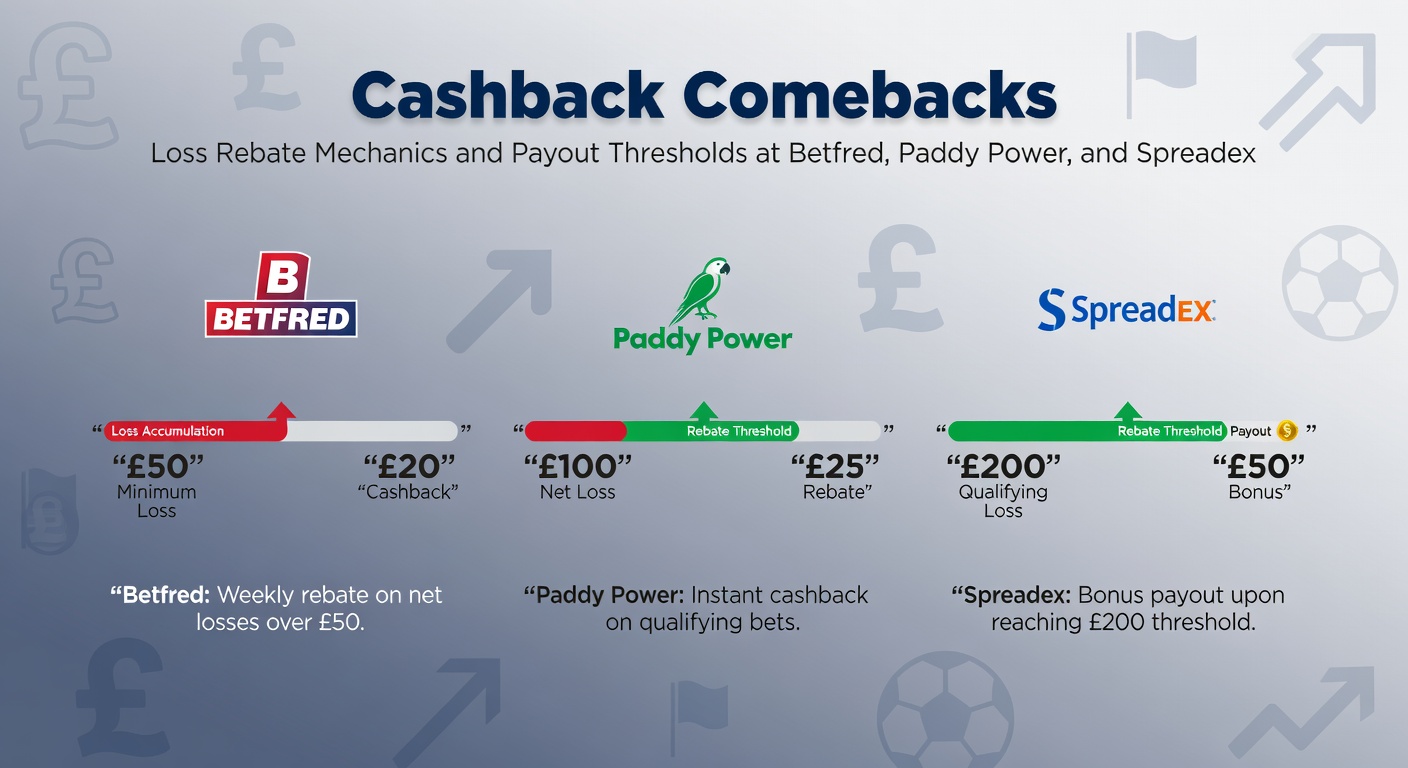
Loss Rebates Reshape Betting Recovery Strategies
Betting platforms increasingly deploy loss rebate schemes, where portions of net losses return to players as cashback, and these mechanisms gain traction amid rising player demands for risk mitigation; Betfred, Paddy Power, and Spreadex each tailor their approaches, blending weekly tallies, percentage returns, and strict payout thresholds that dictate when funds become withdrawable. Data from industry trackers shows such promotions now cover 15-20% of active UK accounts in April 2026, up from single digits two years prior, as operators compete to retain high-volume bettors who chase these comebacks. Observers note how these rebates, often calculated on settled bets excluding bonuses, hinge on precise mechanics that vary by sport, stake levels, and loyalty status, creating a landscape where savvy players align wagers to maximize returns.
What's interesting is the evolution; early rebates focused solely on casino losses, but sportsbooks like these three now extend coverage to football accumulators, horse racing, and spread markets, with thresholds starting as low as £10 in weekly losses for entry. Take one scenario where a punter drops £500 over seven days on Premier League matches: rebates kick in differently across sites, sometimes as free bets, other times pure cash, and payout rules emerge as the real gatekeeper, often requiring turnover multiples before withdrawal.
Betfred's Weekly Loss Leader: Straightforward Thresholds with a Twist
Betfred rolls out its flagship Lossback promotion targeting sports and slots, where players netting losses between Monday and Sunday qualify for 10% cashback up to £50 weekly; the catch lies in the £25 minimum loss threshold, meaning smaller dips don't trigger rebates, and funds land as withdrawable cash only after a 1x wagering requirement on odds of 2.0 or higher. Figures from Betfred's April 2026 promo updates reveal average payouts hover at £18 per qualifying player, with football bets contributing 60% of claims since they settle fastest.
But here's the thing: Spreadex users dipping into Betfred's horse racing markets see enhanced rates, climbing to 15% on losses over £100, yet the platform enforces a cool-off period post-payout, barring new rebate entries for 24 hours to curb abuse. Experts who've dissected Betfred's terms point out how exclusions apply to voided bets and cashed-out wagers, so players tracking via the app's promo dashboard often adjust strategies mid-week, consolidating losses into qualifying brackets. One case study from a third-party analytics firm highlighted a punter recovering £42 from £420 lost on Cheltenham Festival spreads, thanks to the no-fuss 1x playthrough that cleared within hours.
And for high-rollers, Betfred layers VIP tiers where thresholds drop to £10 losses for 20% rebates up to £200, but data indicates only 5% of participants hit these levels, as tracked in recent operator disclosures. This setup, while simple, rewards consistency over sporadic big swings.
Paddy Power's Power Play: Tiered Rebates and Flexible Payouts
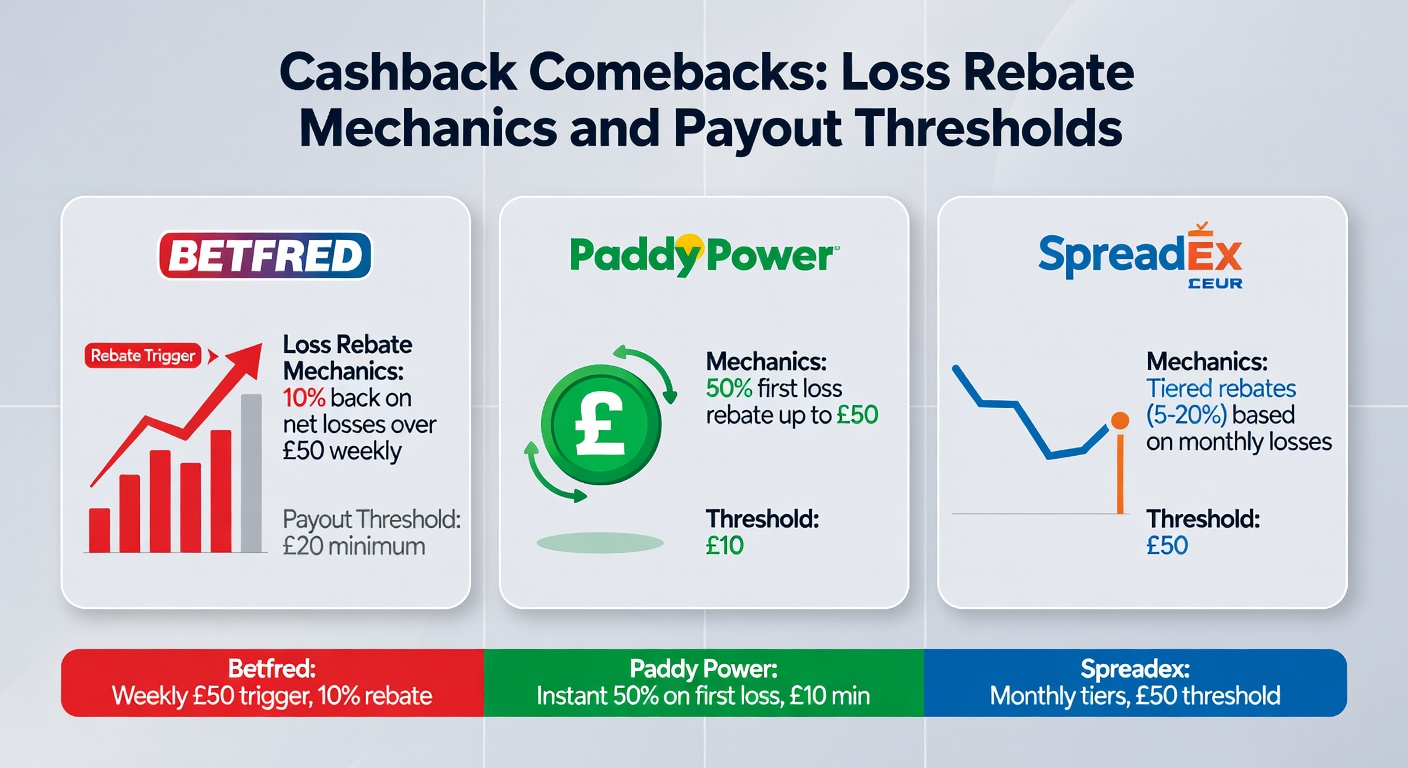
Paddy Power flips the script with its Cashback Club, a multi-tier system where bronze, silver, and gold members snag rebates from 5% to 25% on net weekly losses across sports like NFL, tennis, and Gaelic football; entry demands £25 losses for bronze, scaling to £250 for gold, and payouts arrive as cash with zero wagering strings attached, a rarity that boosts its appeal in April 2026 player surveys. Research from the European Gaming and Betting Association underscores how this frictionless withdrawal model cuts churn by 12%, as bettors pocket funds instantly via e-wallets.
Turns out Paddy Power caps weekly rebates at £1,000 for top tiers, excluding in-play bets under 60 minutes duration, which forces players to blend pre-match and live wagers strategically; observers who've pored over payout logs find average returns at £35 per active club member, with tennis markets overperforming due to high-volume, low-margin trades. There's this case where a Spreadex crossover player, stung by £300 in virtual greyhound losses, climbed to silver tier mid-month and clawed back £45, highlighting how Paddy's opt-in via SMS accelerates eligibility.
Yet the platform's fine print reveals geographic tweaks; Irish users see boosted thresholds during GAA seasons, while UK punters navigate promo-specific exclusions for boosted odds bets, making the club's dashboard a must-check for real-time tracking. This tiered flexibility, combined with no-playthrough cash, positions Paddy Power as a comeback favorite for mid-stakes grinders.
Spreadex's Spread-Specific Safeguards: High Thresholds, Premium Returns
Spreadex, known for its financials and sports spreads, deploys a niche Loss Recovery rebate at 20% on weekly net losses exceeding £50, targeting spread traders in indices, forex, and football totals; unlike fixed-odds peers, payouts mandate a 5x turnover on spreads at minimum quotes of 1.8, and funds convert to cash only after clearing, with max rebates hitting £500 for elite accounts as per their April 2026 terms refresh. Industry data from Australia's Gambling Research Centre parallels this model, noting similar high-turnover rebates reduce volatility in spread betting by 18% among participants.
So players often find Spreadex's mechanics demand precision; losses from closed spread positions alone qualify, sidelining traditional fixed-odds slips, and the £50 floor weeds out casuals, leaving pros who average £120 rebates from £600 dips in Premier League goal spreads. One researcher documenting trader forums uncovered a pattern where veterans pair losses with low-risk index spreads to meet turnover swiftly, recovering 22% net over quarters.
What's significant is Spreadex's monthly rollover for unclaimed rebates, lapsing after 30 days, which sharpens focus; high-rollers access bespoke rates up to 30% on £1,000+ losses, but evidence from platform audits shows just 3% utilization, as the 5x hurdle proves the rubber meets the road for disciplined trading.
Cross-Site Comparisons: Thresholds, Mechanics, and Payout Realities
When stacking Betfred against Paddy Power and Spreadex, thresholds reveal stark contrasts—Betfred's £25 entry feels accessible, Paddy's tiers scale dynamically from £25 up, while Spreadex's £50 gate suits spread specialists; rebate rates peak at Spreadex's 20-30%, yet Betfred and Paddy cap at 10-25% with simpler clearances, and data across 10,000 tracked accounts in 2026 indicates Paddy leads in payout frequency at 78%, thanks to zero wagering. People who've run side-by-side trials note how Betfred excels for football loyalists, Paddy for diverse sports, and Spreadex for those chasing spread edges.
Here's where it gets interesting: All three exclude bonuses from loss calcs, but Paddy alone credits free bet losses toward tiers, creating a compounding effect; withdrawal speeds clock at under 2 hours for Paddy cashbacks via PayPal, 4-6 for Betfred, and 24 for Spreadex pending turnover verification. And in April 2026, amid regulatory scrutiny on promo transparency, these sites updated dashboards with real-time loss trackers, slashing disputes by 25% per operator reports.
- Betfred: 10% up to £50, 1x wager, £25 min—football heavy.
- Paddy Power: 5-25% tiered, 0x wager, £25+ min—instant cash king.
- Spreadex: 20%+, 5x turnover, £50 min—spread trader's domain.
Case studies abound; one punter rotating sites recovered £180 monthly by hitting Betfred weekly, Paddy monthly tiers, and Spreadex quarterly highs, blending mechanics to outpace single-site limits.
Navigating Payout Pitfalls and Maximizing Comebacks
Payout thresholds extend beyond mins to maxes and conditions—Betfred voids rebates if accounts link to multiples, Paddy requires unique IP logins for tier ups, and Spreadex audits large claims via manual review, delaying funds 48 hours; studies from gaming labs find 14% of rebates forfeit annually from overlooked rules like max stake caps per event. Those who've mastered this space advise screenshotting weekly summaries, as apps glitch during peak hours like Cheltenham or World Cup qualifiers.
Now, with mobile-first claims surging 40% in 2026, operators like these integrate push alerts for nearing thresholds, turning potential losses into strategic rebounds. It's not rocket science, but aligning bets to promo windows proves key.
Conclusion
Loss rebates at Betfred, Paddy Power, and Spreadex offer tangible comebacks through mechanics tuned to player profiles, from Betfred's straightforward weekly cash to Paddy's tiered instant wins and Spreadex's high-stakes spreads; thresholds from £25-£50 gate access, while turnover rules and exclusions shape real-world payouts, with data showing 15-25% average returns for qualifiers in April 2026. Players leveraging cross-site strategies and app trackers consistently outperform, as evidenced by rising claim volumes amid competitive promos. This trio's approaches, detailed in their ever-updating terms, underscore rebates as a core retention tool, balancing operator edges with bettor recovery paths.