23 Jul 2026
From Welcome Offers to Lasting Engagement: How Britain's Leading Betting Operators Build Player Longevity
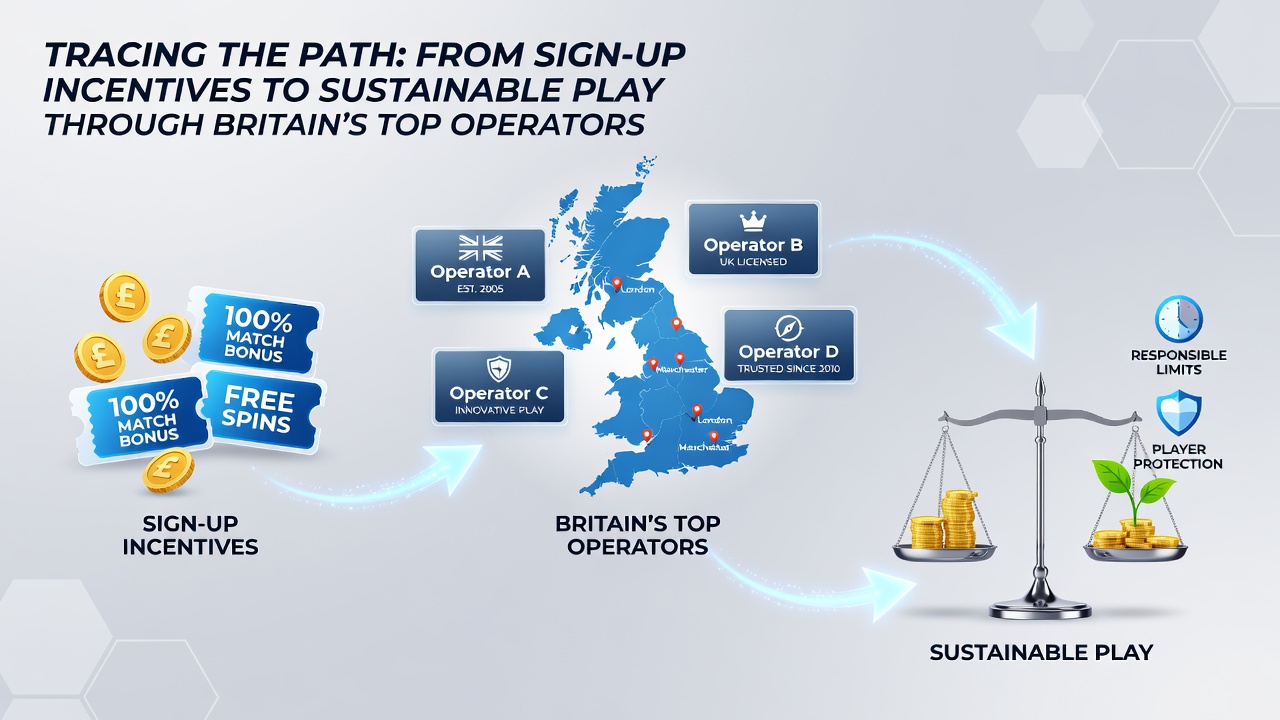 Britain's top betting operators have developed structured pathways that begin with sign-up incentives and evolve into systems designed to support ongoing, measured participation. These pathways incorporate deposit matches, free bets, and loyalty frameworks that gradually shift focus toward tools for self-management and long-term account health. Data from industry reports indicate that operators allocate significant resources to converting one-time bonus users into repeat participants who remain within defined spending parameters. Initial incentives typically include matched deposits up to specified limits and risk-free bets tied to minimum stakes. Operators present these offers through clear terms that outline wagering requirements, often ranging from 20x to 50x depending on the promotion type. Research from the Canadian Centre on Substance Use and Addiction shows that transparent requirement structures correlate with higher retention rates when paired with educational pop-ups about account limits.
Transition Mechanisms in Operator Platforms
After the sign-up phase concludes, operators introduce tiered loyalty programs that reward consistent activity with points redeemable for cashback or enhanced odds. These programs track metrics such as total stakes and frequency of play, then adjust reward levels accordingly. Players who reach higher tiers gain access to personalized offers that emphasize smaller, more frequent benefits rather than large upfront bonuses.
Responsible gambling features integrate directly into these loyalty structures. Deposit caps, session timers, and reality checks activate automatically once certain thresholds are met, with data logs shared in user dashboards. Operators update these tools periodically, and figures from the Australian Gambling Research Centre reveal that users who engage with multiple limit-setting options maintain steadier activity patterns over six-month periods.
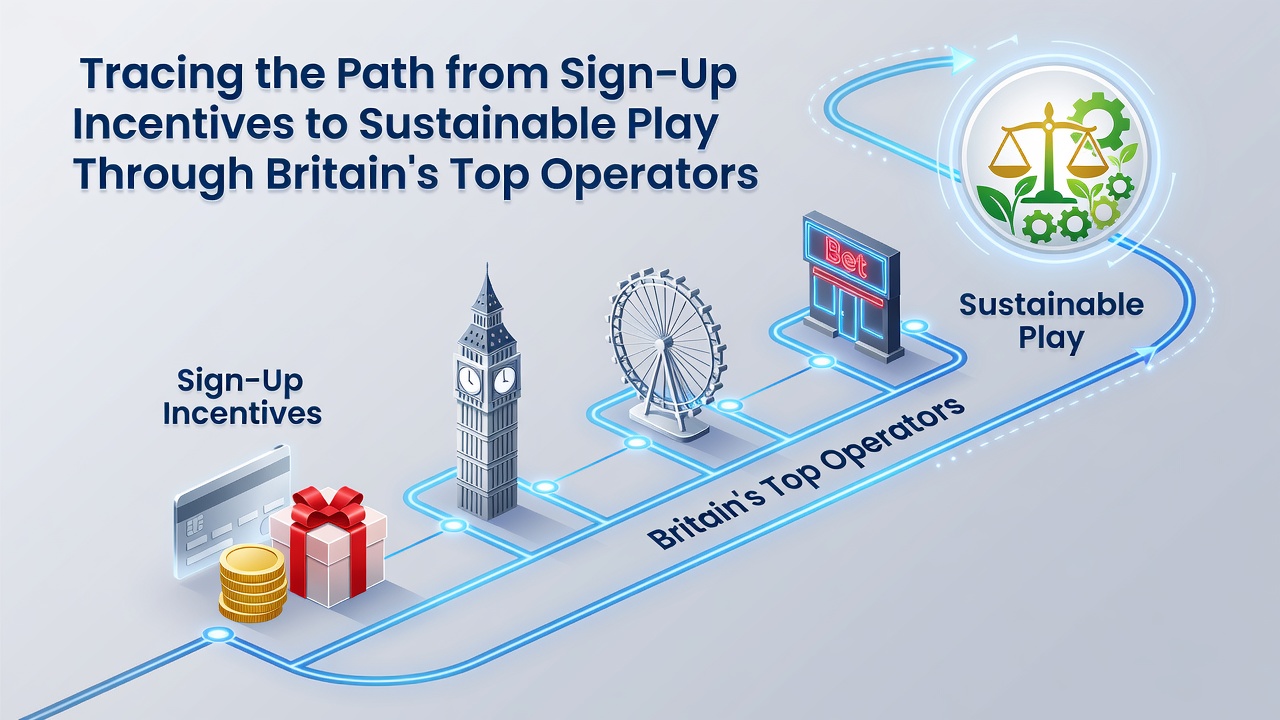
Examples Across Major Platforms in Mid-2026
By July 2026 several operators had refined their bonus-to-sustainability pipelines. One platform links initial free bet credits to mandatory completion of a short interactive module on stake sizing before unlocking full account features. Another routes users through weekly spending summaries that highlight trends against personal benchmarks set during registration.
Case examples illustrate the process. A player who claims a sign-up bonus on a soccer accumulator might later receive a loyalty cashback offer capped at a percentage of net losses, accompanied by prompts to review session history. These sequences rely on algorithmic triggers that respond to both volume and duration of play, reducing the likelihood of abrupt spending spikes.
Regulatory and Industry Influences
Operators align their pathways with broader industry standards that emphasize player protection alongside commercial goals. External audits verify that bonus terms do not obscure withdrawal conditions or encourage excessive volume. Reports from the National Council on Problem Gambling in the United States note that similar tiered systems in other markets have produced measurable declines in accounts flagged for high-risk behavior when paired with mandatory cooling-off periods.
Operators also publish aggregated statistics on bonus redemption and subsequent play patterns. These disclosures allow observers to track how initial incentives translate into sustained engagement across demographic segments, including age groups and preferred sports markets.
Conclusion
Britain's leading operators have constructed measurable routes from sign-up incentives to ongoing participation frameworks. These routes combine promotional mechanics with embedded management tools, supported by data that tracks both uptake and long-term account stability. Continued refinement of these systems reflects ongoing adjustments based on usage patterns and external research findings from multiple jurisdictions.