3 Aug 2026
Biometric Tech Cuts Through Verification Bottlenecks in British Mobile Betting
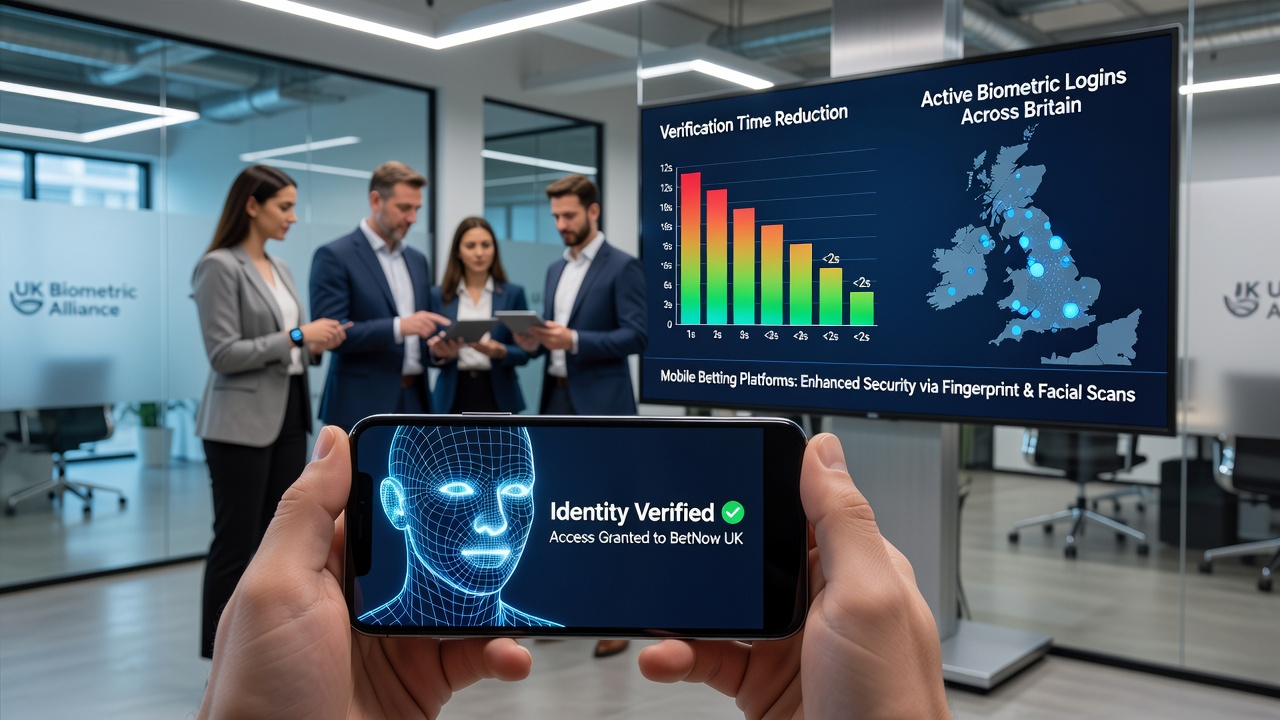 Biometric authentication methods have taken hold across Britain's mobile betting platforms where operators integrate face recognition and fingerprint scanning to handle initial account verification and ongoing logins. These systems replace lengthy manual document uploads with quick scans that match unique physical traits against stored records, and data from industry reports shows processing times dropping from several days to under a minute in many cases. Operators began rolling out these tools more widely after regulatory updates encouraged stronger digital identity checks while maintaining user convenience. Platforms such as those operated by major British firms now prompt new users to complete a short facial scan or fingerprint registration during signup, which ties directly into age verification and address confirmation steps required under current licensing rules. Existing account holders benefit from similar features that let them access their profiles without re-entering passwords each time.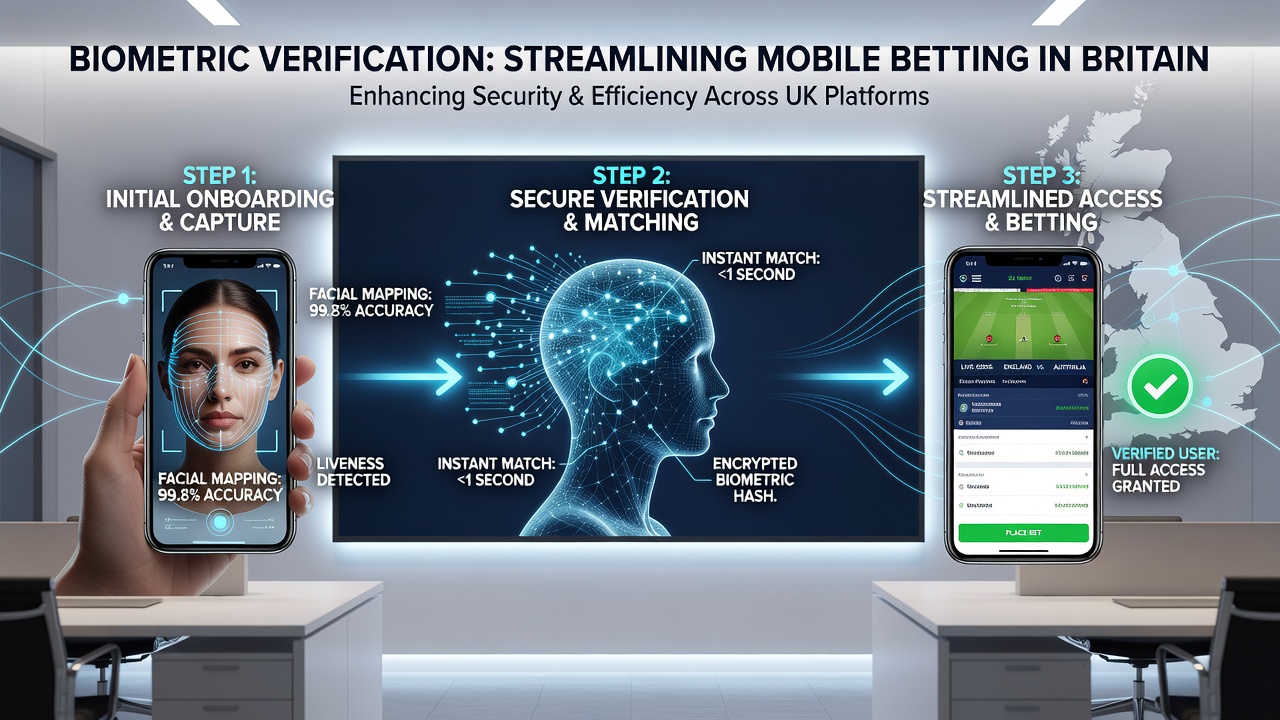
Biometric authentication methods have taken hold across Britain's mobile betting platforms where operators integrate face recognition and fingerprint scanning to handle initial account verification and ongoing logins. These systems replace lengthy manual document uploads with quick scans that match unique physical traits against stored records, and data from industry reports shows processing times dropping from several days to under a minute in many cases. Operators began rolling out these tools more widely after regulatory updates encouraged stronger digital identity checks while maintaining user convenience. Platforms such as those operated by major British firms now prompt new users to complete a short facial scan or fingerprint registration during signup, which ties directly into age verification and address confirmation steps required under current licensing rules. Existing account holders benefit from similar features that let them access their profiles without re-entering passwords each time.Core Technologies Driving the Shift
Facial recognition software analyzes key points on a user's face such as eye spacing and jawline contours then compares them to an official identity document uploaded once at registration. Fingerprint scanners on modern smartphones capture ridge patterns that match against the same initial record, and both methods run through encrypted servers to prevent data leaks. Research from the National Institute of Standards and Technology highlights accuracy rates above 99 percent for these tools when calibrated properly, which explains their appeal for high-volume sectors like mobile betting. Many apps combine these biometrics with device binding so that verification stays tied to a specific phone rather than allowing transfers to new hardware without extra checks. This layered approach reduces instances of shared accounts while speeding up repeated access during live events or in-play betting sessions.Adoption Patterns Observed Through Mid-2026
By August 2026 figures from European gaming trade groups indicated that over 60 percent of leading British mobile betting apps offered biometric login options, up from roughly 35 percent two years earlier. The increase aligns with broader pushes for remote verification standards that satisfy licensing conditions without forcing users through repeated paperwork submissions. Smaller operators followed larger ones in adopting the technology after seeing reduced support ticket volumes related to login issues. Users who have switched to biometric methods report fewer interruptions during peak betting periods such as major football matches or horse racing festivals. One platform reported a 40 percent drop in verification-related support queries after introducing fingerprint-based re-authentication for withdrawals.