1 Jun 2026
Inside the Mechanics of Loyalty Programs: Tiered Rewards and Retention Tactics Employed by Leading UK Betting Companies
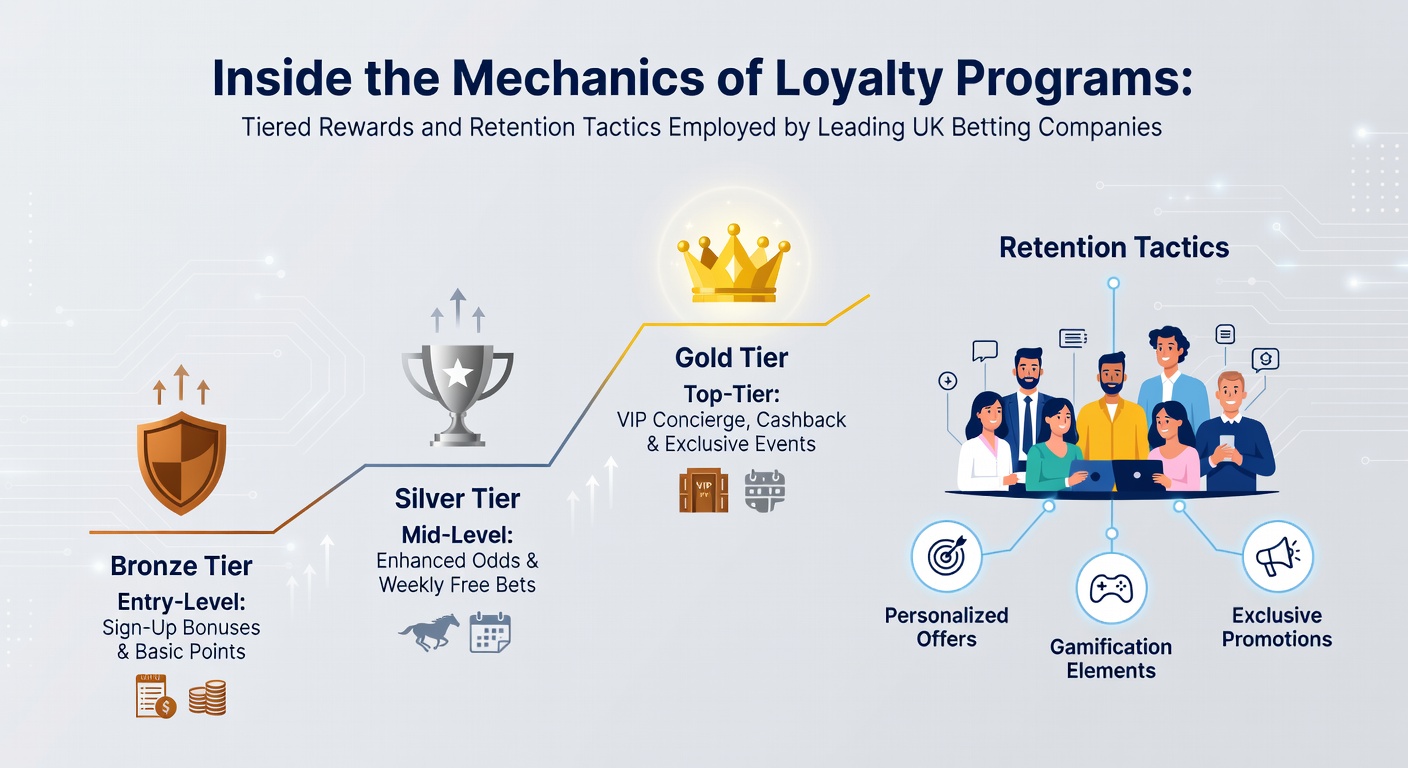
Leading UK betting companies structure loyalty programs around tiered systems that accumulate points based on betting volume and frequency while delivering escalating benefits as customers advance through levels. These frameworks track activity across sports wagers, casino games, and virtual products then convert participation into status upgrades that unlock cashback percentages, free bet allocations, and priority support access. Operators such as Bet365, William Hill, and Paddy Power maintain separate loyalty currencies that reset or carry over depending on annual activity thresholds.
How Tier Structures Operate in Practice
Entry-level tiers grant basic perks including occasional deposit bonuses and standard cashback rates of 1 to 3 percent on net losses, whereas mid-tier customers receive enhanced multipliers on points earned alongside monthly free bet vouchers scaled to recent stake totals. Top-tier participants access dedicated account managers, accelerated withdrawal processing, and bespoke promotions that adjust weekly according to individual betting patterns. Points calculations typically multiply by sport category and stake size, with football and horse racing markets awarding higher ratios than lower-volume products. Advancement requires reaching cumulative spend targets that reset every 12 months, prompting many users to concentrate activity with a single operator to maintain status.
Retention Tactics Beyond Standard Rewards
Retention strategies extend past tier benefits through personalized communications triggered by inactivity periods or shifts in betting behavior. Companies deploy targeted free bet offers timed to major events such as Premier League weekends or major horse racing festivals, while dynamic pricing on enhanced odds appears exclusively for loyalty members at higher tiers. Data from the Responsible Gambling Council in Canada indicates that structured reward programs correlate with longer customer lifecycles across multiple jurisdictions, including those operating similar frameworks in the UK market. Operators also integrate loss-rebate mechanics that scale with tier status, returning a fixed percentage of monthly deficits once thresholds are met.
Seasonal campaigns in June 2026 align with upcoming international tournaments, delivering temporary tier accelerators that allow quicker progression during high-traffic periods. These limited-time adjustments encourage sustained engagement without altering core point structures. Additional tactics include birthday bonuses, anniversary rewards, and milestone celebrations that reference specific account anniversaries rather than generic promotions.
Comparative Approaches Across Major Operators
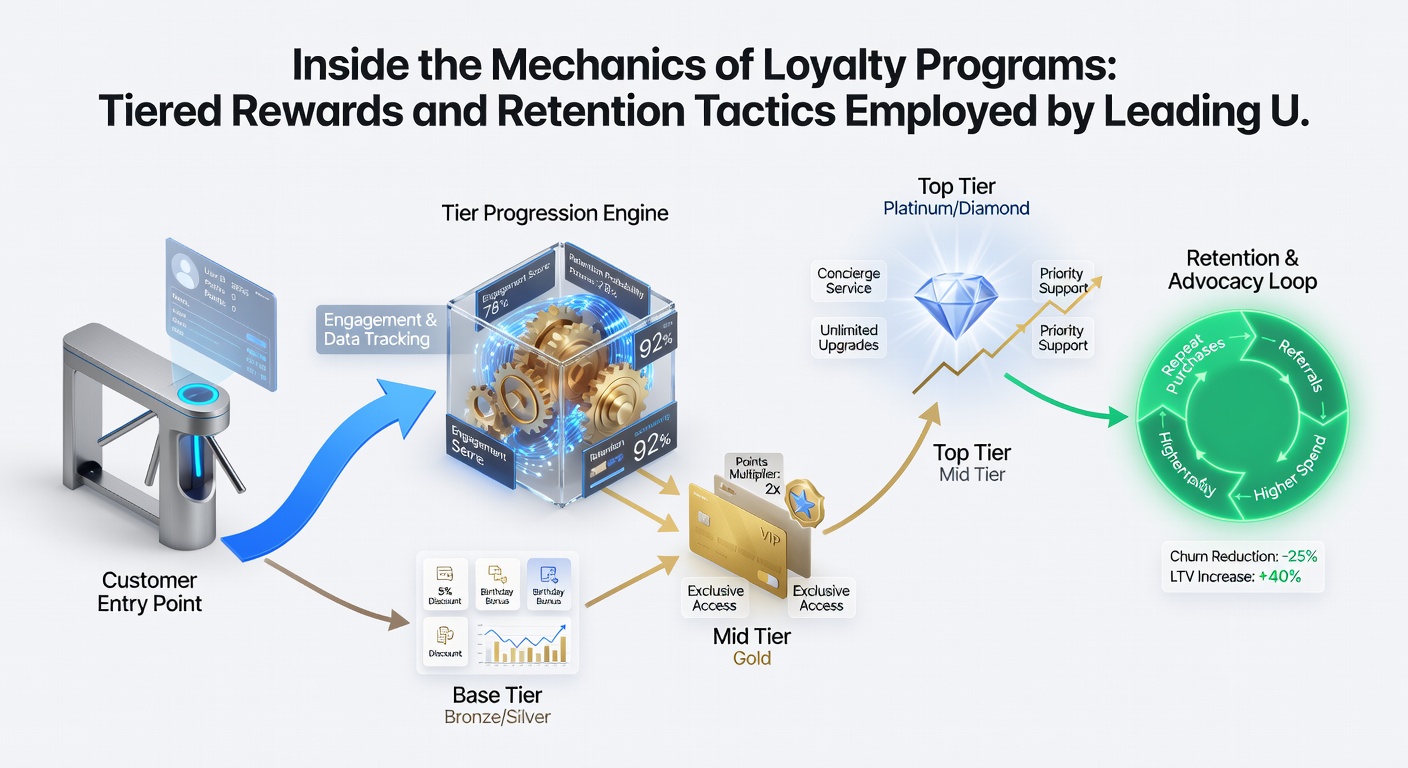
Bet365 emphasizes volume-based progression with points awarded per pound staked across all markets, leading to frequent tier movement for regular users. William Hill incorporates product-specific bonuses within tiers, such as extra casino spins for slots participants or enhanced each-way terms for racing customers. Paddy Power layers community-style challenges onto the tier system, where group targets unlock shared rewards that encourage social sharing among participants. Across these platforms the underlying data infrastructure segments users by predicted lifetime value, enabling precise allocation of retention resources to higher-value accounts while maintaining broad accessibility at entry levels.
Industry reports from Gambling Research Australia highlight that tiered systems in regulated markets tend to stabilize revenue streams by reducing churn rates during quieter betting periods. UK operators adapt similar methodologies while complying with local advertising standards that govern how promotions reach different customer segments.
Data Integration and Personalization Layers
Loyalty engines connect directly to betting ledgers, risk systems, and customer support logs to generate real-time tier updates and offer recommendations. Machine learning models identify patterns such as declining stake sizes or reduced session frequency, then trigger intervention offers calibrated to restore activity levels. These automated processes operate alongside human oversight teams that handle high-tier accounts requiring manual strategy adjustments. Observers note that integration depth varies by company size, with larger operators investing in proprietary platforms that combine loyalty tracking with responsible gambling controls to flag unusual behavior early.
Future Adjustments Anticipated in 2026
Regulatory developments expected through mid-2026 may influence how loyalty benefits are communicated and redeemed, particularly around transparency of wagering requirements attached to tier rewards. Companies are already testing modular benefit packages that let customers select preferred reward types within their tier, such as swapping cashback for event tickets or merchandise. Such flexibility aims to increase perceived value without raising operational costs significantly.
Conclusion
Tiered loyalty programs and associated retention tactics form a core component of customer management strategies at leading UK betting companies. Points accumulation, status progression, and personalized interventions work together to maintain engagement across diverse product offerings while adapting to seasonal demand fluctuations and individual user patterns. As systems evolve through 2026, the emphasis remains on measurable activity metrics and targeted delivery mechanisms that support both operator objectives and regulatory compliance standards.