6 Jun 2026
Machine Learning at Work: Shaping Customized Odds and Suggestions in Digital Wagering Apps
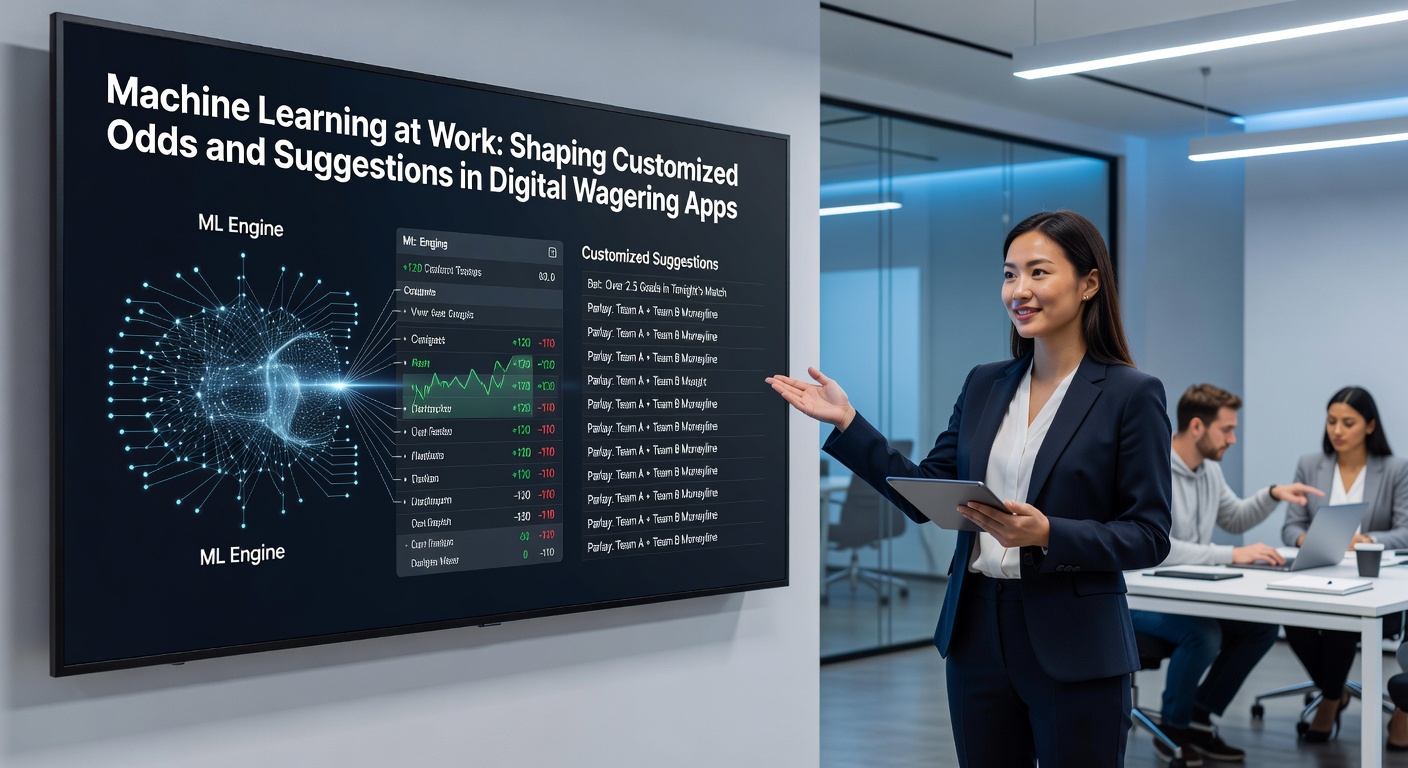
Digital wagering platforms now rely on machine learning systems that adjust odds in real time while generating tailored suggestions for individual users, and these technologies draw from vast datasets of past bets, market movements, and behavioral signals to refine outcomes. Operators collect transaction histories, session durations, and preference indicators then feed them into models that predict both market shifts and personal betting tendencies, which allows the platforms to present odds that reflect current probabilities alongside recommendations aligned with a user's established patterns.
Core Mechanisms Behind Dynamic Odds Calculation
Algorithms process incoming data streams from global events, player activity logs, and external factors such as weather or team news, and they update probability estimates continuously rather than at fixed intervals. Researchers at the University of Nevada, Reno's International Gaming Institute have documented how supervised learning techniques train on historical results to identify correlations that human analysts might overlook, while reinforcement learning components test simulated scenarios to optimize margin settings without manual intervention. These systems operate across multiple sports and event types simultaneously, which means adjustments for one market can influence related propositions in seconds.
Data Inputs and Model Training
Raw inputs include live scores, betting volumes across competing sites, social media sentiment metrics, and device-level engagement data, and models normalize these variables before running them through neural networks that output revised odds lines. Training cycles repeat daily or even hourly during peak periods, and operators incorporate feedback loops that reward accurate predictions with higher weighting in subsequent iterations. Observers note that accuracy improves as datasets grow larger, yet models must also account for rare events that fall outside typical distributions to avoid systematic biases.
Personalization Engines and Suggestion Systems
Recommendation modules analyze individual account histories to surface bets that match demonstrated interests, such as specific leagues or wager types, while avoiding suggestions that conflict with responsible gambling flags already noted in the profile. These engines employ collaborative filtering alongside content-based methods so that users receive prompts calibrated to both their own past choices and those of similar profiles. Platforms integrate these outputs directly into app interfaces through push notifications, in-play banners, and pre-match carousels, which increases visibility for the customized selections without requiring users to search manually.
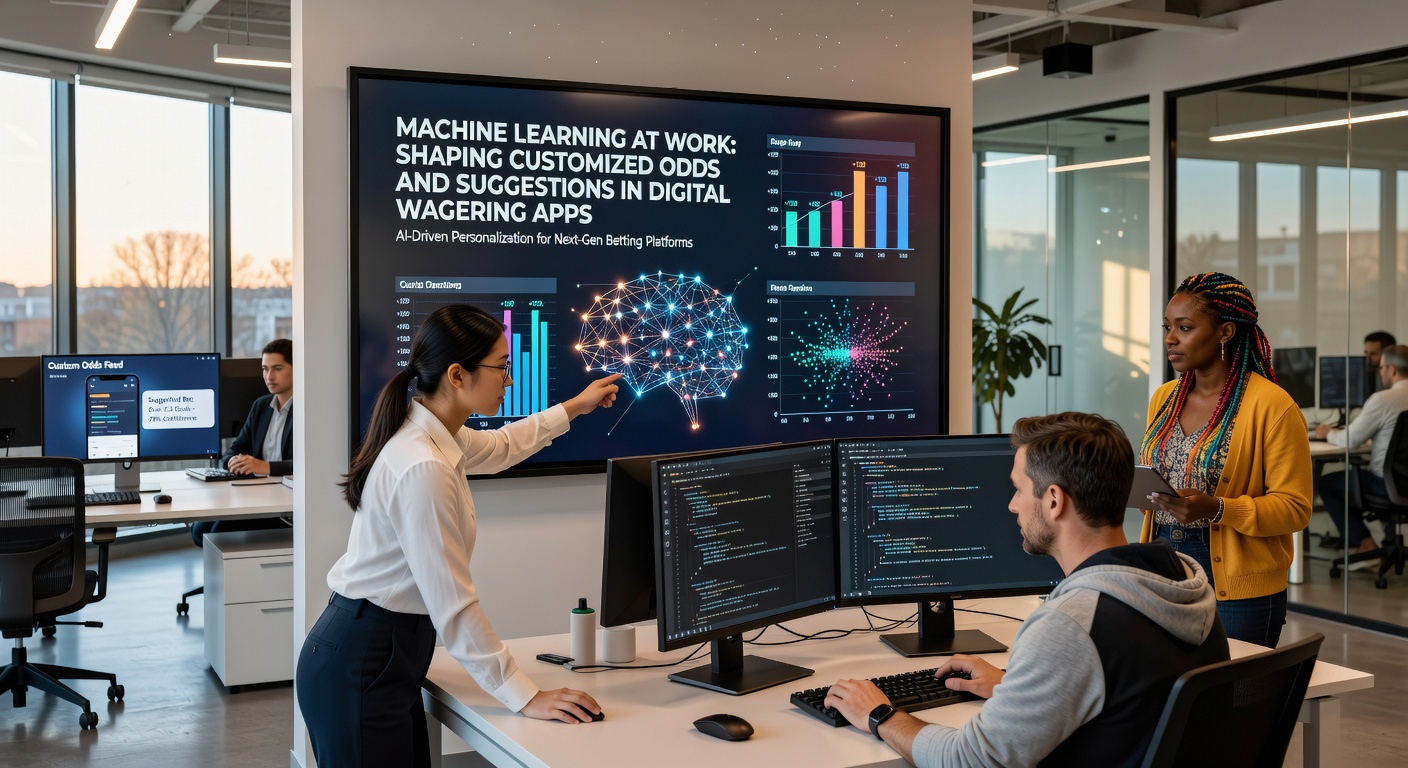
By June 2026, several major operators had expanded these personalization layers to include predictive alerts that anticipate user interest in upcoming fixtures based on viewing patterns and deposit timing, and the expansions coincided with broader adoption of edge computing that reduces latency between data collection and suggestion delivery. Industry reports indicate that engagement metrics rise when suggestions appear at contextually relevant moments, such as immediately after a user closes a live event screen or deposits funds into their account balance.
Regional Regulatory Contexts and Compliance Integration
Regulatory frameworks in multiple jurisdictions now require transparency around algorithmic decision-making, and operators must document how models incorporate fairness checks that prevent discriminatory outcomes across user segments. In Australia, the Australian Communications and Media Authority has issued guidance on automated systems used by wagering providers, emphasizing audit trails that allow regulators to review training data sources and decision logic upon request. Similar expectations appear in Canadian provincial licensing conditions where machine learning outputs undergo periodic third-party evaluation to confirm they align with consumer protection standards. These requirements push developers to maintain version-controlled model repositories and to log every odds adjustment with timestamps and input variables.
European operators face additional scrutiny under data protection rules that govern how personal information feeds into profiling systems, and compliance teams routinely test whether recommendation engines respect opt-out preferences without degrading overall platform performance. Data from the European Gaming and Betting Association shows that firms investing in explainable AI components experience fewer compliance queries because regulators can trace specific suggestions back to measurable user signals rather than opaque black-box calculations.
Operational Impacts and Industry Adoption Patterns
Bookmakers report reduced manual oversight requirements once machine learning pipelines stabilize, which frees staff to focus on market expansion and product development instead of routine odds monitoring. Smaller platforms often license pre-built solutions from specialist vendors rather than building proprietary systems from scratch, and this approach allows faster deployment while still delivering competitive customization features. Larger operators maintain in-house teams that fine-tune models against proprietary datasets, creating differentiation through unique weighting schemes that competitors cannot easily replicate.
Case studies from North American markets illustrate how integrated machine learning reduced variance in margin realization across volatile event categories, and similar patterns have emerged in Asian markets where mobile-first audiences generate high-frequency data suitable for rapid model iteration. Adoption rates accelerated after 2024 as cloud infrastructure costs declined and open-source libraries matured, lowering barriers for mid-tier providers seeking to match capabilities previously available only to the largest firms.
Conclusion
Machine learning continues to reshape both odds formulation and user suggestion mechanisms within digital wagering environments, and the technology's influence extends from backend probability engines to front-end interface design. As datasets expand and regulatory expectations evolve, operators refine their implementations to balance commercial objectives with compliance obligations across different jurisdictions. The trajectory through 2026 and beyond points toward tighter integration between real-time analytics and personalized delivery systems, supported by ongoing research from academic institutions and industry associations that track performance benchmarks and emerging best practices.