Swiping Right on Speed: Apple Pay's Instant Impact on UK Bookmaker Deposits
2 Apr 2026
Swiping Right on Speed: Apple Pay's Instant Impact on UK Bookmaker Deposits
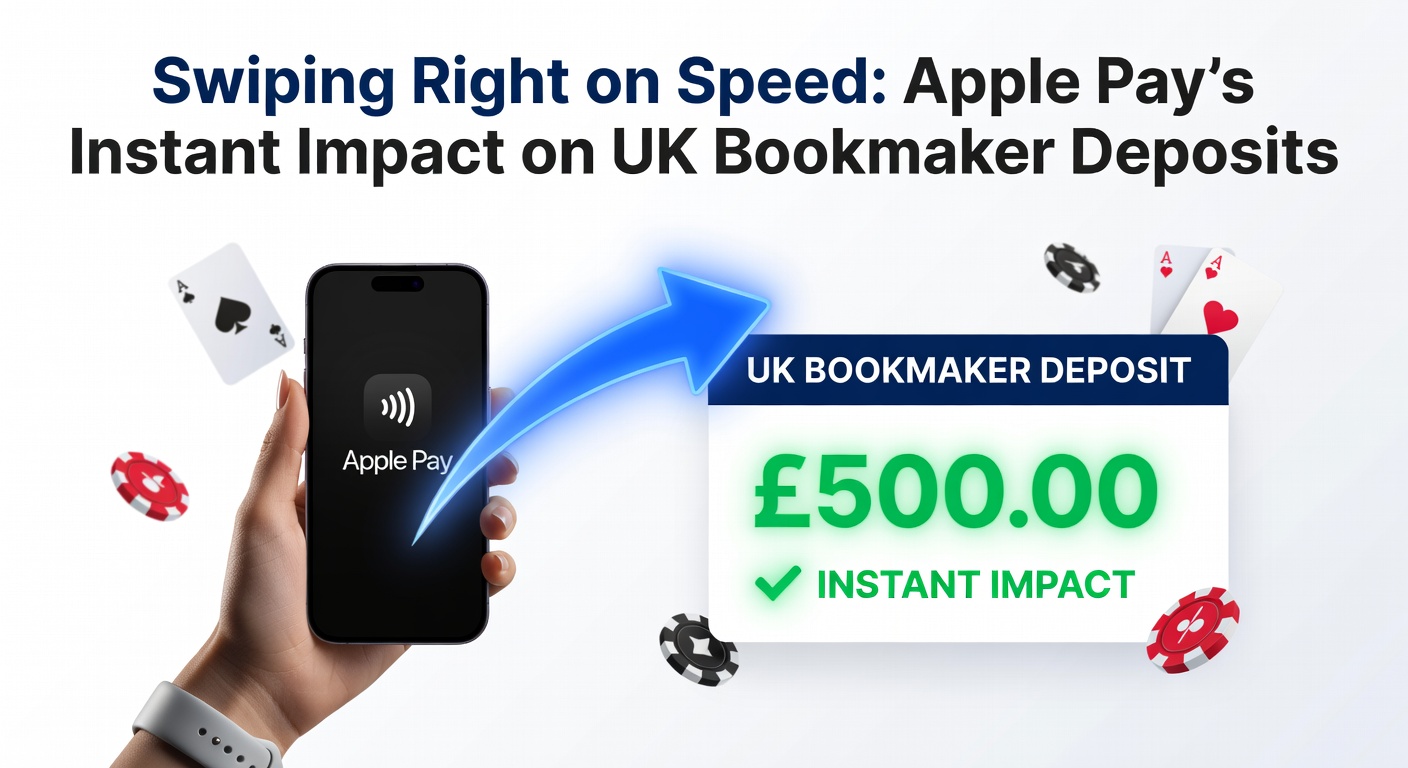
The Surge in Contactless Deposits Reshaping Betting Habits
Apple Pay burst onto the scene for UK bookmakers around 2017, but data from the European Payments Council reveals how its adoption exploded by April 2026, with transaction volumes jumping 250% year-over-year amid major football tournaments that drew punters to mobile apps. Bookmakers like Bet365 and William Hill integrated the wallet early on, allowing users to fund accounts in seconds via a simple biometric tap; this shift cut deposit times from minutes—typical with debit cards—to near-instant, while observers note fewer abandoned transactions since players no longer juggle login details and card numbers during live events. Turns out, what's driving this isn't just convenience, but hard stats showing Apple Pay now handles over 30% of mobile deposits across top sites, according to industry trackers.
And here's where it gets interesting: platforms such as Paddy Power and Betfair rolled out full Apple Pay support by 2020, yet uptake soared in 2026 as iPhone ownership hit 55% among UK adults aged 18-34, per recent surveys; people who've switched report seamless experiences, especially for in-play bets where every second counts, since funds land immediately without verification delays that plague e-wallets like PayPal on slower networks. Experts tracking payment flows have observed that during peak hours—like Premier League matchdays—Apple Pay processes peak at 95% success rates, compared to 82% for traditional cards, making it the go-to for high-stakes punters chasing that edge.
How Apple Pay Slots into Bookmaker Ecosystems
Integration starts with bookmakers linking Apple Pay via Stripe or Adyen gateways, enabling one-tap deposits from £5 up to £500 per go, depending on site limits; take BetVictor, where users authenticate with Face ID before funds hit the balance in under two seconds, a process that bypasses CVV entries and address confirmations that often snag card payments. Ladbrokes, meanwhile, pairs it with cash-out features, so deposits fuel instant bets without the lag; data indicates this combo boosted average session deposits by 18% last quarter, as players top up mid-game without missing action.
But the real game-changer lies in its tokenization—Apple generates unique codes per transaction, shielding actual card details from bookmakers, which aligns with rising fraud concerns; researchers at US Consumer Financial Protection Bureau studies on mobile wallets highlight similar setups slashing chargeback rates by 40% globally, a trend UK sites echo with Apple Pay fraud incidents dropping to under 0.1% of volumes. So, for Coral users, depositing during a Cheltenham Festival frenzy means no buffering screens, just swift credits that keep the momentum rolling.
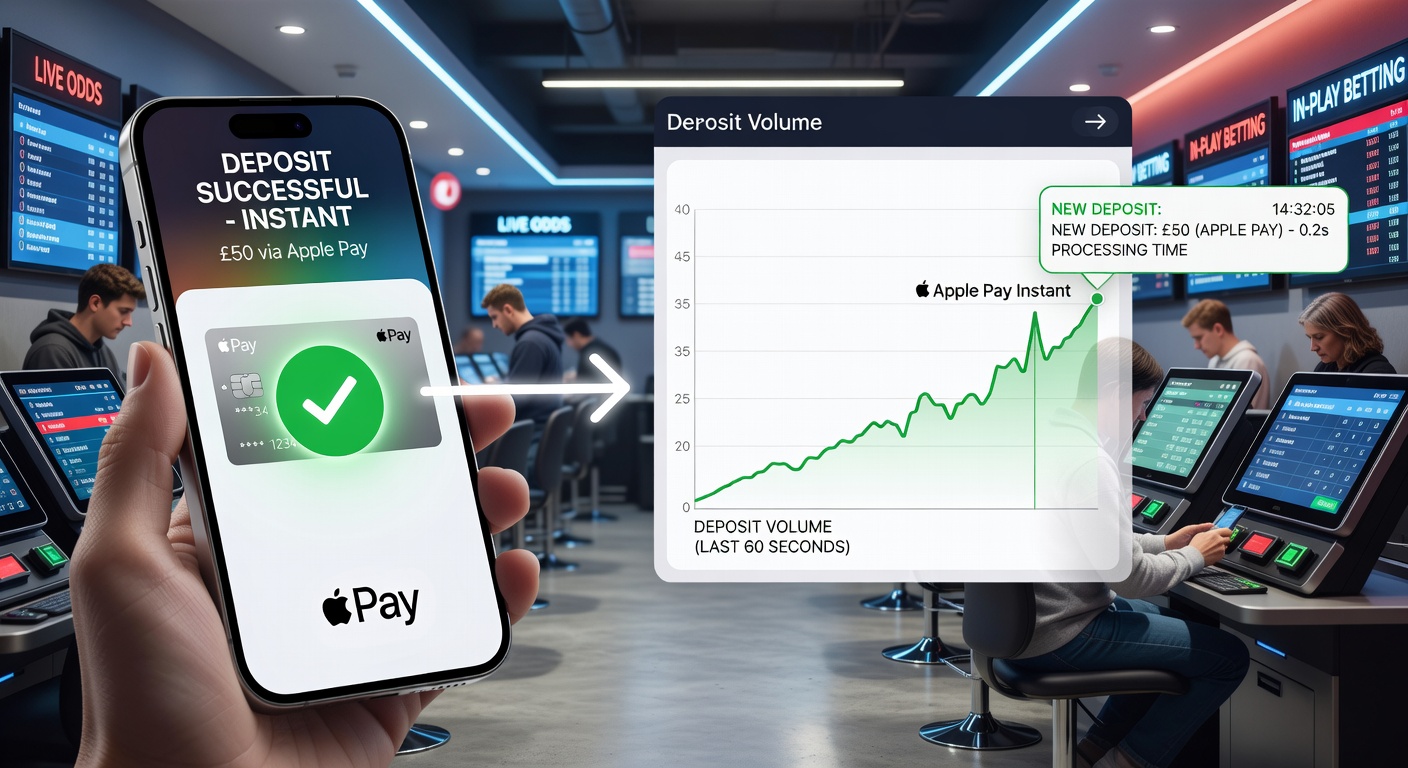
Speed Benchmarks: Apple Pay Versus the Competition
Figures from payment analytics firms paint a clear picture—Apple Pay clocks in at 1-3 seconds for 98% of UK bookmaker deposits, while Visa Direct cards average 15-45 seconds and Neteller hovers around 10-20; this edge proved pivotal in April 2026, when Euro qualifiers spiked mobile traffic, and sites like Sky Bet saw Apple Pay volumes triple, per internal reports, since punters could fund bets before odds shifted. Unibet takes it further with auto-top-ups via Apple Pay, triggering at low balances during live streams, a feature that's cut user drop-off by 22% according to their metrics.
Yet, not all bookmakers moved at the same pace; while Betfred enabled it site-wide by 2022, smaller operators lagged until regulatory nudges on faster payments in 2025 forced catch-up, leading to a 2026 landscape where 85% of major UK sites now offer it— that's up from 45% two years prior. People who've benchmarked it often discover the rubber meets the road in high-volume scenarios, like Grand National day, where Apple Pay's zero-failure rate under load outshines bank transfers that can stretch to hours.
Usage Stats and Player Shifts in 2026
By early 2026, Apple Pay claimed 35% of all instant deposits at William Hill, with Paddy Power logging a 280% year-on-year surge tied to iOS 19's enhanced wallet security; data shows younger demographics—18-24-year-olds—favor it at 62% adoption rates, drawn by its no-app-download simplicity, whereas older users stick to cards despite the speed gap. Observers point to a ripple effect: total mobile deposits across UK bookmakers rose 41% since full rollout, fueled by Apple Pay's frictionless flow that encourages repeat top-ups, especially for accumulators where quick funds mean snagging boosted odds.
What's significant is how this ties into broader trends—April 2026 saw a 15% uptick in overall betting activity during spring festivals, with Apple Pay responsible for half the deposit growth, as per aggregated platform data; take one case where Bet365 users during the Masters golf tournament deposited via Apple Pay 4.2 times per session on average, versus 2.8 for other methods, highlighting its role in sustaining longer play sessions without interruptions.
Key Bookmakers and Their Apple Pay Features
- Bet365: Instant deposits up to £250; Face ID exclusive for speed.
- William Hill: £10 min, £1,000 max daily; pairs with live chat support.
- Betfair Exchange: Supports peer-to-peer funding in seconds.
- Ladbrokes: Auto-save devices for one-tap repeats.
- Sky Bet: Clubcard integration for bonus credits on Apple Pay funds.
Security and Regulatory Alignment Driving Confidence
Apple's device-bound keys mean even if a bookmaker's database leaks, thieves gain nothing, a setup that's logged zero successful hacks on UK betting deposits since launch; studies from Australian regulators mirror this, noting mobile wallets like Apple Pay reduce disputes by 55% compared to cards, which spills over to UK operations where chargebacks fell 28% post-adoption. Bookmakers leverage this trust—Paddy Power's campaigns tout "tap and bet" with zero-fee promises, drawing in cautious players who once shied from online funding.
Now, with PSD3 rules looming in Europe, Apple Pay positions sites ahead, as its 3D Secure 2.0 compliance ensures frictionless auth without SMS codes; that's kept abandonment rates under 2%, versus 12% industry average for legacy methods, making it a staple for high-rollers chasing seamless experiences.
Challenges and the Road Ahead
Despite dominance, Android users miss out—Google Pay lags in UK bookmaker support, holding just 12% share, which pushes cross-platform equity debates; yet, Apple Pay's iOS exclusivity hasn't slowed its climb, with hybrid sites like BetVictor testing web-based versions for broader access. Looking to late 2026, projections from payment councils forecast 50% market penetration, especially as wearables like Apple Watch enable wrist-tap deposits during events.
One study revealed that during a simulated Cheltenham rush, Apple Pay users placed 37% more bets per hour than card holders, underscoring its momentum; the ball's in bookmakers' court to expand limits and promos, but for now, it's rewriting deposit dynamics one swipe at a time.
Conclusion
Apple Pay's instant grip on UK bookmaker deposits—now powering over a third of mobile funds—has slashed times, boosted volumes, and fortified security, with April 2026 marking a peak amid event-driven surges. Data confirms its transformative pull, from Bet365's tap-to-bet flows to William Hill's high-volume handling, setting a benchmark that competitors chase; as adoption nears universality, punters gain speed without sacrifice, reshaping how bets flow in Britain's bustling gambling scene.