4 Jun 2026
Tiered Reward Frameworks and Retention Metrics at Major British Betting Platforms
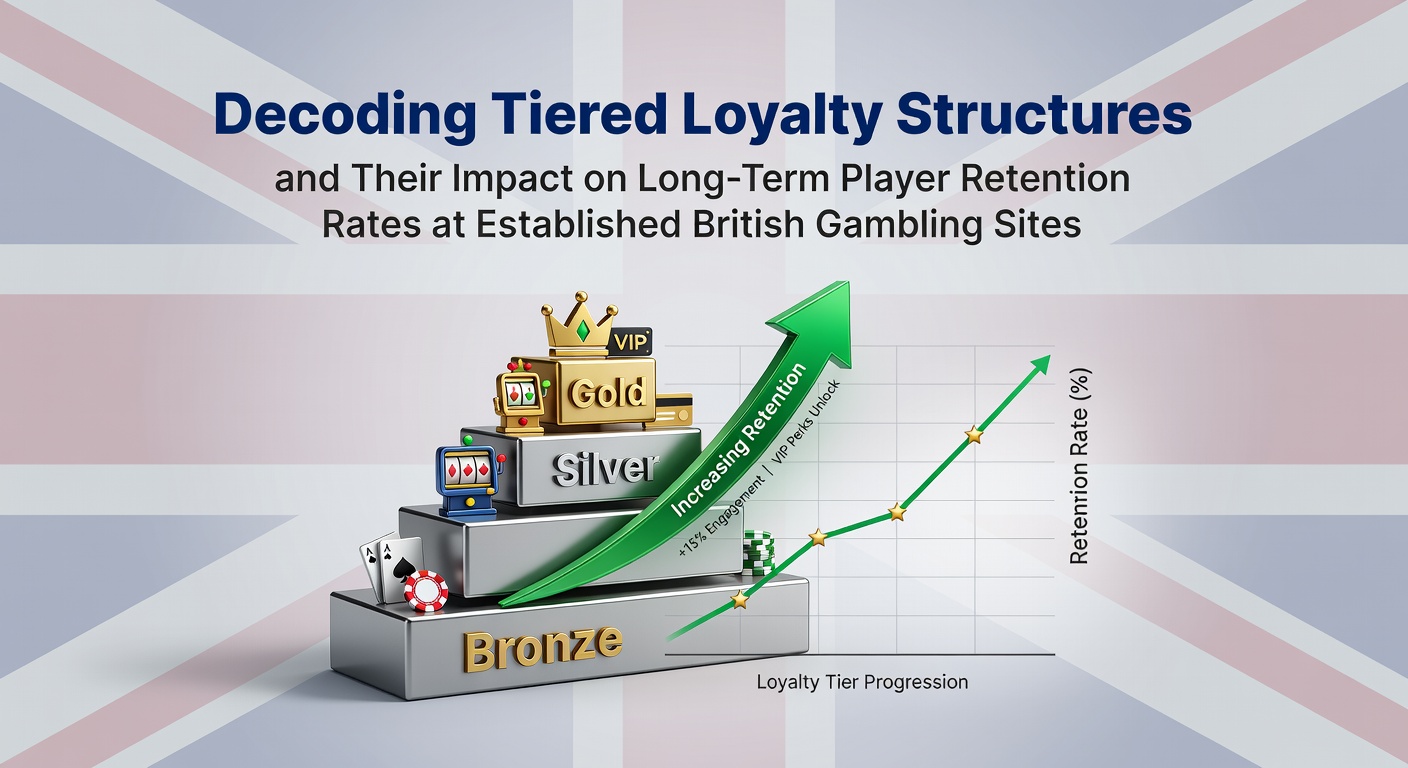
British gambling operators have developed multi-level loyalty structures that assign players to tiers based on betting volume, frequency, and account activity, with each tier unlocking distinct reward packages including enhanced cashback rates, priority customer support, and exclusive event access. These systems operate through accumulated points or spend thresholds that determine progression, while operators track retention through metrics such as repeat deposit rates and session duration across different tier groups. Data from industry analyses indicate that higher tiers correlate with elevated retention figures, although the exact mechanisms vary by platform and reward design.
Structure of Tiered Systems Across Leading Operators
Established sites implement four to six distinct tiers, starting from entry-level categories that offer basic perks like standard bonus eligibility and moving upward to elite designations that provide personalized account managers along with accelerated withdrawal processing. Progression typically requires meeting monthly or quarterly activity benchmarks, after which players receive tier-specific benefits that scale with status. Observers note that these frameworks draw from established retail loyalty models yet adapt them to digital betting environments where real-time tracking allows immediate reward adjustments.
Payment method preferences often intersect with tier calculations since certain deposit types contribute differently to point accumulation, creating varied pathways for players who favor bank transfers versus digital wallets. Research indicates that operators adjust tier criteria periodically to align with regulatory updates and market conditions, particularly as new data emerges on player behavior patterns.
Retention Patterns Linked to Tier Progression
Long-term retention rates show measurable differences across tiers, with players who advance beyond initial levels demonstrating sustained engagement over twelve-month periods according to aggregated platform statistics. Lower tiers experience higher churn, whereas mid and upper tiers exhibit stronger continuity due to the cumulative value of ongoing benefits. One study revealed that retention improves when reward frequency increases alongside tier elevation, suggesting a direct relationship between perceived value and continued play.
External factors such as seasonal sports calendars influence retention within tiers, especially during major tournaments when activity spikes prompt additional point earnings and temporary status boosts. Those who've examined operator reports find that players reaching higher tiers often maintain accounts for extended durations, although external life events can still prompt departures regardless of status level.
Data Insights from Industry and Academic Sources
Figures from research conducted by the Australian Gambling Research Centre highlight how structured loyalty incentives affect repeat participation rates across international markets, with similar dynamics observed in UK operations. Meanwhile a report issued by the Nevada Gaming Control Board examines tiered reward impacts on account longevity within regulated environments, providing comparative benchmarks that British platforms reference during program refinements. As of June 2026 operators continue to monitor these metrics while incorporating feedback from player surveys to fine-tune progression thresholds.
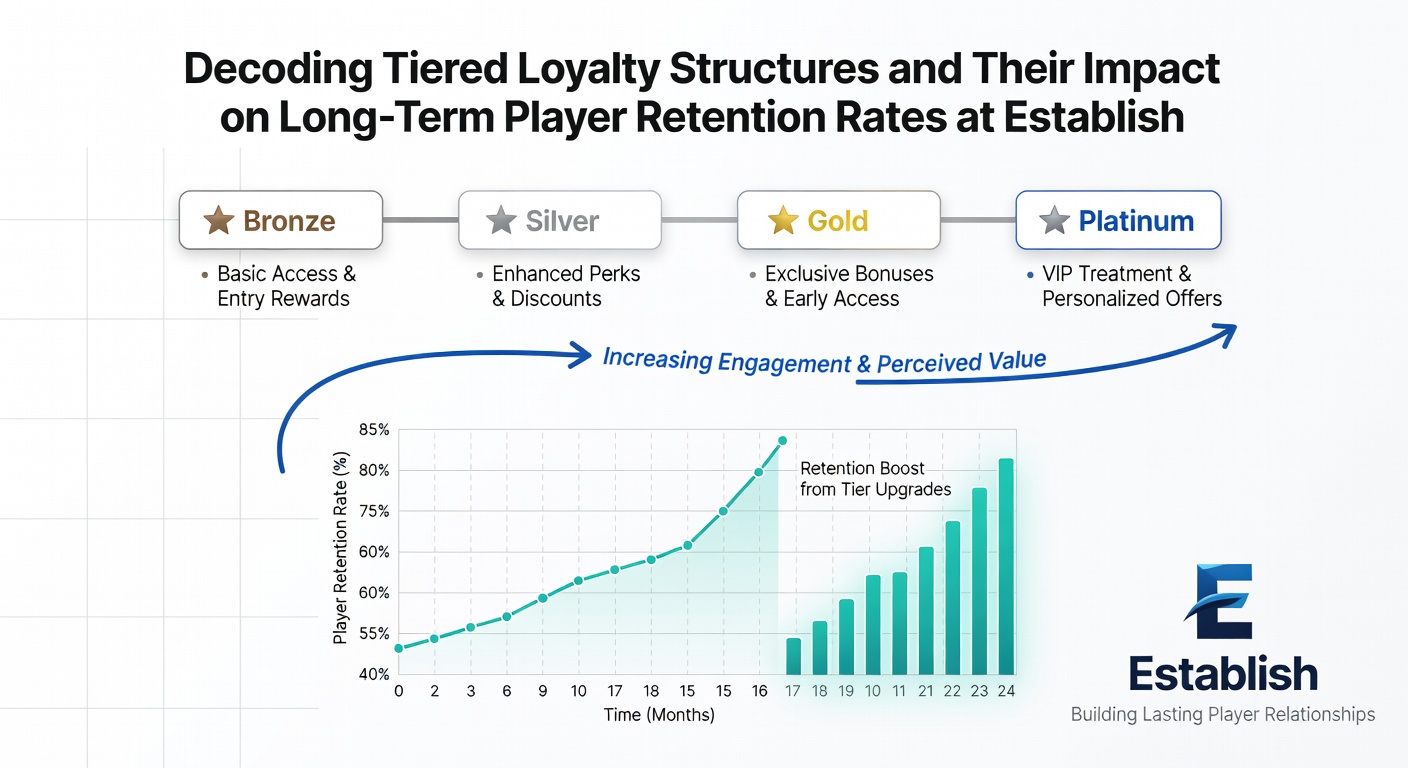
Academic analyses from institutions such as the University of Sydney's Gambling Treatment Clinic further explore how reward layering influences decision-making timelines, showing that players often extend activity windows when approaching the next tier threshold. These findings align with operational data from British sites where tier advancement announcements coincide with temporary upticks in deposit frequency. The reality is that retention gains appear most pronounced when benefits remain consistent rather than front-loaded at entry points.
Operational Adjustments and Player Response
Operators refine tier structures in response to observed behaviors, introducing hybrid elements that blend spend-based and engagement-based criteria to broaden accessibility. Players in established programs frequently discover that maintaining status requires ongoing participation, which in turn supports the retention objectives operators set. What's interesting is how communication of tier benefits through in-app notifications and email summaries correlates with higher renewal rates among mid-tier participants.
Industry organizations such as the European Gaming and Betting Association have documented case examples where tier adjustments led to measurable retention shifts without altering core product offerings. Those monitoring these developments note that transparency around requirement changes helps sustain trust, thereby supporting longer account lifespans across the player base.
Conclusion
Tiered loyalty structures at established British gambling sites function through defined progression mechanics that directly tie activity levels to reward access, producing observable differences in retention across tier groups. Available data from regulatory bodies and research centers demonstrate consistent patterns where elevated status corresponds to extended engagement periods. Continued monitoring through June 2026 and beyond will clarify how these frameworks evolve alongside player preferences and technological capabilities.