11 Jul 2026
UK Bettors Adjust to Stricter Verification Protocols Affecting New Accounts and Deposits

Britain's betting operators began rolling out enhanced verification requirements in July 2026, and these changes have altered how new users establish accounts while making their first deposits. The updates stem from broader regulatory efforts to strengthen identity checks and prevent underage access, which means customers now encounter additional steps during sign-up that extend beyond basic email confirmation and password creation. Operators must collect more detailed personal information upfront, including government-issued photo ID and proof of address, before any betting activity can begin.
Account Setup Procedures Under the Revised Framework
Account creation now follows a multi-stage process where users submit documents through secure portals rather than relying solely on self-reported details. Data from industry tracking shows average completion times for new registrations have increased by roughly 40 percent since the July 2026 rollout, as platforms require real-time validation against external databases. Bettors who provide clear scans of passports or driving licenses alongside recent utility bills often clear this stage faster, whereas incomplete submissions trigger follow-up requests that delay access by several days.
Many sites now integrate biometric options such as facial recognition during the initial setup, allowing users to complete verification via mobile apps without uploading physical copies in every case. Those who've studied similar systems in other jurisdictions note that these tools reduce manual reviews but still demand stable internet connections and compatible devices for smooth operation. One study revealed that users attempting registration on older smartphones encountered higher failure rates, prompting operators to offer alternative desktop upload methods for those situations.
Impacts on First Deposits and Funding Options
First deposits face tighter scrutiny because verification must finish before funds can be accepted or matched with any promotional offers. Payment processors now cross-check account details against verified identities, which blocks transactions from mismatched cards or e-wallets until the full process completes. Figures reveal that deposit success rates dipped initially after the July 2026 changes, yet recovered as users adapted to the new sequence of verification followed by funding.
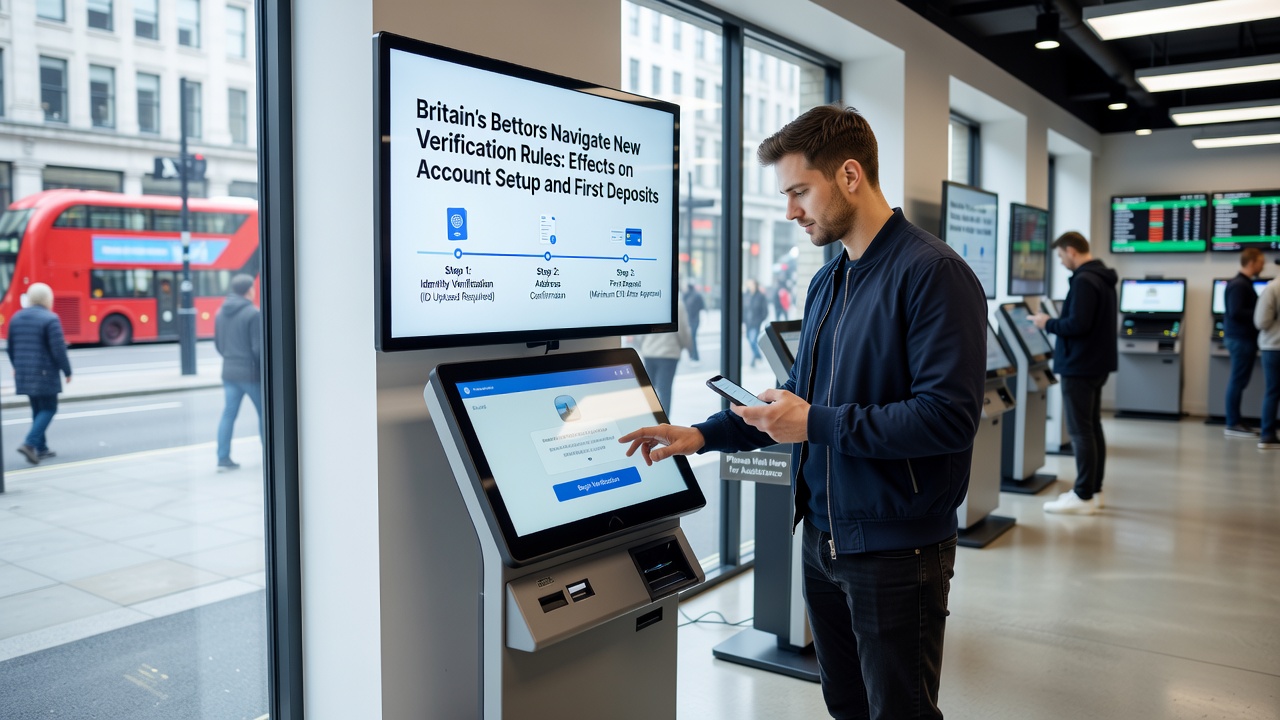
Bank transfers and certain digital wallets continue to dominate for initial funding because they align more readily with the required identity checks, while some credit card providers introduced extra confirmation layers that further slow the process. Observers note that customers who verify their accounts before attempting a deposit complete the funding step in under an hour on average, whereas those who mix the two actions together often face temporary holds. Research indicates that clear communication from operators about this order has helped reduce support queries related to rejected first deposits.
Regional Comparisons and Supporting Evidence
Similar verification tightening occurred earlier in Canada, where a government compliance report documented faster account approvals once users understood the document sequence. UK platforms have adopted comparable messaging strategies, including in-app guides that walk bettors through each requirement. An academic paper from the University of Melbourne examined parallel rules in Australia and found that upfront biometric checks cut fraudulent registrations by more than half without significantly harming overall sign-up volumes once users gained familiarity.
Operators report that repeat customers who already hold verified accounts experience minimal disruption when opening secondary profiles, as the system reuses prior validation data where regulations permit. New users without prior history, however, must navigate the full sequence each time, which has prompted some sites to introduce temporary deposit limits until full approval clears. Those limits typically lift automatically once documents receive confirmation, restoring standard funding options.
Broader Market Adjustments Observed in July 2026
July 2026 data shows a modest uptick in support ticket volume focused on verification questions, yet overall new account numbers remained steady compared with the prior quarter. Operators attribute this stability to clearer instructions and pre-verification tools that let users prepare documents in advance. Payment providers have also updated their interfaces to flag verification status before deposit attempts begin, which prevents many of the failed transactions seen in the first weeks of implementation.
Industry organizations tracking these trends highlight that smaller betting platforms sometimes process verifications slower than larger ones because they rely more heavily on manual reviews. Larger operators with automated systems clear the majority of submissions within 24 hours when documents meet quality standards. Bettors who encounter delays often succeed on resubmission after correcting issues such as blurry images or outdated address proofs.
Conclusion
The July 2026 verification updates have lengthened account setup times and reordered deposit sequences, yet the overall framework continues to support new user registrations across Britain's betting sector. Data shows that clear preparation and adherence to the required document order allow most bettors to complete both steps without extended interruptions. Ongoing refinements by operators and payment partners suggest further streamlining may occur as systems mature under the current rules.