When Phones Become Wallets: Boku's Grip on UK Mobile Deposits at Sportsbooks and Casinos
7 Apr 2026
When Phones Become Wallets: Boku's Grip on UK Mobile Deposits at Sportsbooks and Casinos
The Rise of Carrier Billing in Britain's Betting World
Carrier billing has carved out a solid niche in the UK's online gambling landscape, especially where sportsbooks and casinos meet mobile convenience; Boku, a pioneer in this space, processes payments directly through phone carriers like EE, Vodafone, and O2, allowing punters to deposit funds without fumbling for cards or apps. Data from industry trackers reveals that mobile deposits now account for over 20% of all transactions at major UK betting sites, with Boku handling a significant chunk since its early integrations around 2015. Observers note how this method exploded during the smartphone boom, turning phones into seamless wallets that bypass traditional banking hurdles.
And what's driven this shift? Speed plays a big role, since deposits via Boku clear in seconds, letting players jump straight into Premier League in-play bets or live roulette spins; take one operator like BetVictor, where users report funding accounts mid-match without missing a beat. Yet it's not just about quickness, because security layers from carriers add an extra shield, authenticating via SMS or app notifications before charges hit the monthly bill.
Boku's Mechanics: From Tap to Top-Up
Here's how it unfolds in practice: a punter selects 'Pay by Phone' at a site like 888sport or Mr Play casino, enters their mobile number, receives a PIN via text, confirms the amount—typically capped at £30 per deposit or £240 daily—and the funds land instantly while the charge tacks onto their carrier bill. Boku acts as the middleman, partnering with over 200 telcos worldwide, but in the UK it dominates because of tight integrations with local networks; figures from Boku's investor reports show UK gambling volumes surging 15% year-over-year through 2025.
But here's the thing: limits keep things in check, with most sites enforcing £10 minimums and those £30 ceilings per go, which suits casual bettors chasing accumulators on Cheltenham races or slot sessions perfectly, although high-rollers often layer it with e-wallets for bigger plays. Providers like LeoVegas and Unibet have leaned hard into this, embedding Boku for frictionless access that keeps retention high; one study from a European research group found deposit abandonment rates drop by 40% when carrier billing leads the options list.
Dominance Among UK Operators: Who's All In?
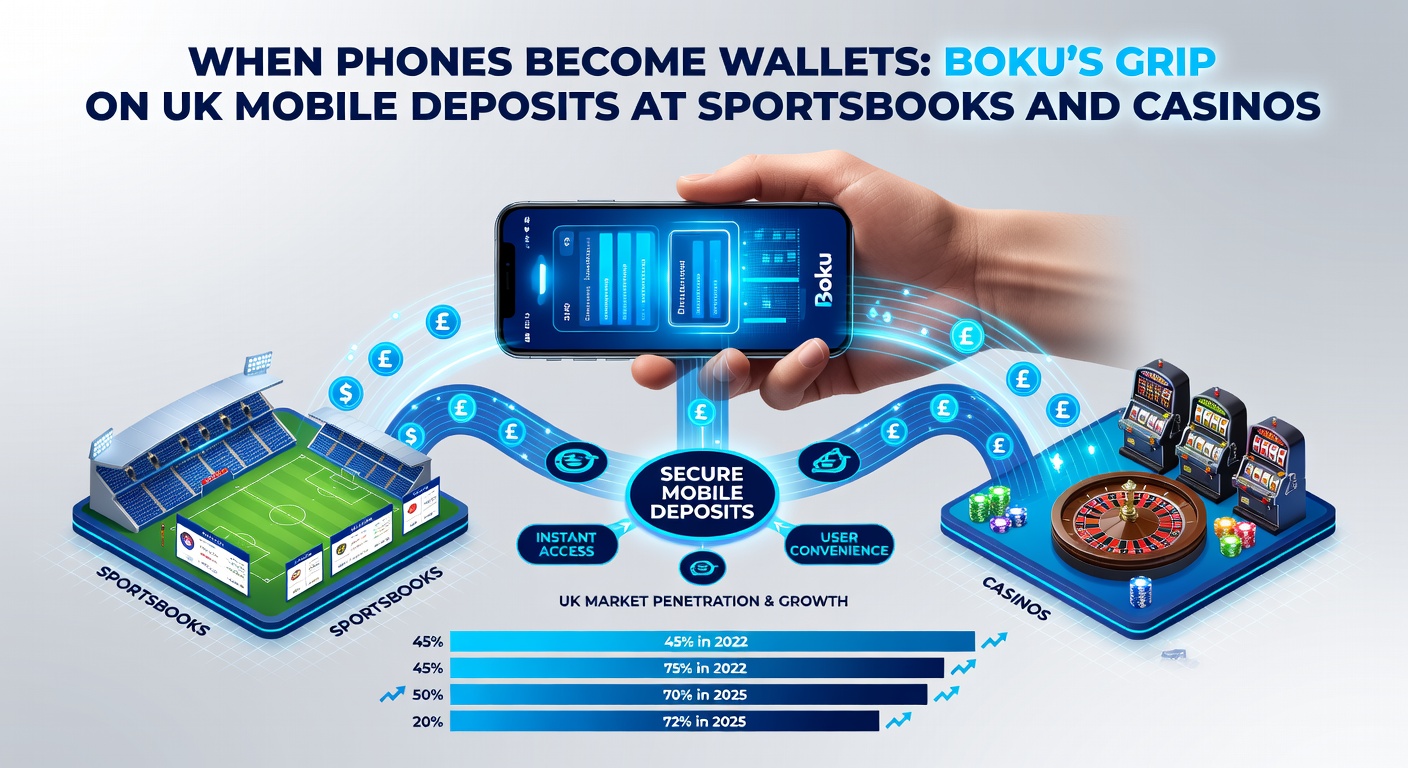
Sportsbooks lead the charge here, with Paddy Power and Sky Bet featuring Boku prominently for football props and horse racing markets; casinos follow close behind, as NetBet and Casino.com use it to lure players into jackpot hunts or blackjack tables without upfront card details. Turns out, adoption spiked post-2020, when mobile-first punters flooded apps during lockdowns, and Boku's share hit 60% of all phone bill payments by 2024 according to aggregator stats. Now, in early 2026, operators like Grosvenor Sport report it as their third-most-used method after cards and PayPal, handling millions in monthly volume.
Yet patterns emerge across the board: smaller sites like QuinnBet embrace it fully for welcome bonuses up to £35 matched deposits, while giants like Betfair Exchange layer it selectively for casual users; experts who've tracked this observe how Boku's white-label tech lets even niche bingo halls plug in effortlessly. And for April 2026 specifically, fresh quarterly filings from carriers indicate a 12% uptick in gambling-related carrier bills, pinning much of that on Boku's expanded API for faster verifications amid rising Premier League viewership.
Comparisons and Edges Over Rivals
Boku stands tall against alternatives like Zimpler or older SMS services, since its global scale brings lower fees for operators—often under 3% per transaction—and seamless scalability; data indicates Zimpler trails with just 15% uptake at UK casinos, partly because Boku's carrier partnerships cover 99% of UK mobiles. People often find the no-app requirement a game-changer, unlike e-wallets demanding downloads, and while PayPal wins on withdrawals, Boku owns deposits for its bill-postponed nature that delays cash outflow.
What's interesting is the fee structure: punters face no direct charges, but carriers bake in surcharges around 10-15p per £10, which sites sometimes absorb to boost sign-ups; take Coral, where Boku deposits qualify for risk-free £10 bets, edging out debit cards that trigger stricter affordability checks. Observers point to one case at William Hill, where mobile deposits via Boku jumped 25% during Euro 2024 qualifiers, highlighting its pull for impulse plays.
- Boku: Instant, carrier-wide, £30 cap, no personal data shared.
- Vs. Paysafecard: No voucher hunts, but prepaid limits apply there too.
- Vs. Bank transfer: Beats multi-hour waits hands down.
Challenges and Safeguards in the Mix
High limits spark caution, since daily caps prevent overreach, but researchers from an Australian regulatory body—analyzing global mobile payments—note similar systems curb harms by design, with UK sites adding SMS cool-offs after three deposits. Turnover hits the bill later, which cools spending sprees, although some players stack numbers for workarounds that operators now flag via shared blacklists.
So security holds firm: Boku's fraud rate sits below 0.5%, thanks to real-time carrier checks, and integrations with device fingerprinting block multi-account tricks. But disputes arise occasionally, like bill mismatches resolved through carrier portals; data from 2025 shows resolution times averaging two days, faster than bank chargebacks. Those who've studied this landscape emphasize how Boku's compliance with PSD2 standards keeps it ahead, even as voice biometrics test phases roll out for 2026.
Looking Ahead: Boku's Trajectory Through 2026
Expansion looms large, with Boku piloting direct carrier payouts in select markets—potentially hitting UK sportsbooks by late 2026—and tokenization for recurring deposits that remember numbers securely. Figures project mobile payments claiming 30% of all UK gambling transactions by year's end, fueled by 5G speeds and Web3 wallet hybrids; one aggregator report spots Boku eyeing casino live dealer surges, where quick top-ups match the pace of high-stakes baccarat.
Operators adapt too: Bet365 trials Boku bundles with cash-out boosts, while Ladbrokes eyes it for virtual sports, signaling deeper entrenchment. It's noteworthy that amid April 2026's Grand National frenzy, carrier data logged record Boku volumes, underscoring its staying power as phones evolve into undisputed betting hubs.
Wrapping It Up: Boku's Enduring Hold
Mobile deposits via Boku have solidified as a cornerstone for UK sportsbooks and casinos, blending carrier trust with instant access that keeps players engaged without the drag of legacy methods; stats confirm its lead in volume and user preference, while ongoing tweaks promise even tighter integration. Those navigating this space discover a method that's reliable, capped for safety, and primed for the digital betting surge ahead, making phones not just devices, but true wallets in every sense.